
Banish Bad Breath (Causes of Bad Breath): What You Need to Know About Halitosis
Bad breath, medically known as halitosis, is a common condition that affects millions of people worldwide. It can be a temporary issue caused by certain foods, or a persistent problem linked to deeper health concerns. Understanding the causes of bad breath (Banish Bad Breath) is essential for addressing the issue and preventing it effectively.
This guide explores the major contributors to bad breath, backed by information from trusted sources like the National Institutes of Health (NIH), the Centers for Disease Control and Prevention (CDC), and the American Dental Association (ADA).
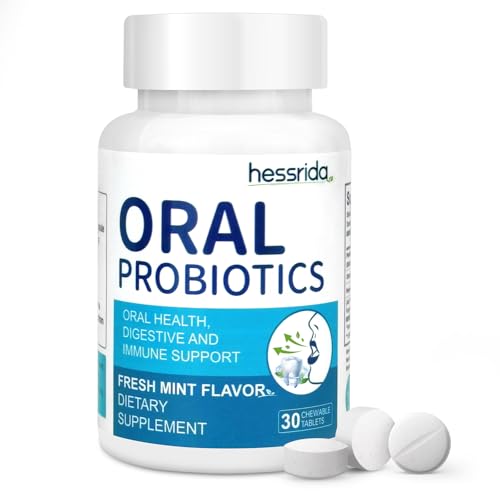
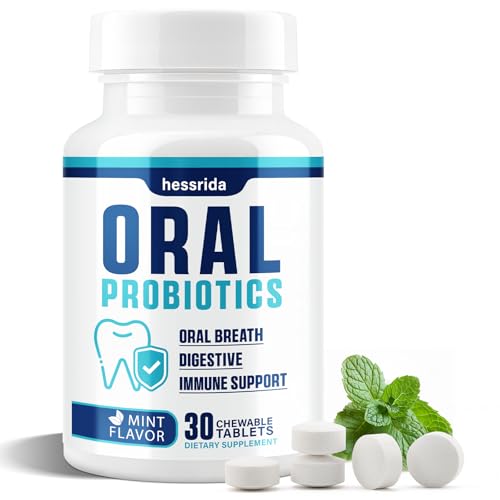

1. Poor Oral Hygiene
One of the leading causes of bad breath is poor oral hygiene. When you don’t brush and floss your teeth regularly, food particles remain in the mouth and promote bacterial growth between teeth, around the gums, and on the tongue. These bacteria produce unpleasant-smelling sulfur compounds.
“According to the NIH, “Poor oral hygiene is one of the most common contributors to halitosis.”
Preventive Tips:
- Brush your teeth at least twice daily.
- Floss daily to remove hidden food particles.
- Furthermore, Clean your tongue regularly using a tongue scraper.
2. Dry Mouth (Xerostomia)
Saliva plays a vital role in maintaining oral hygiene by washing away food particles and bacteria. When the mouth becomes dry, these bacteria multiply more rapidly.
Dry mouth can result from:
- Dehydration
- Certain medications (antihistamines, antidepressants)
- Salivary gland disorders
- Mouth breathing
“The CDC highlights dry mouth as a frequent cause of bad breath, especially in older adults or those on specific medications.”
Solutions:
- Drink plenty of water throughout the day.
- Use sugar-free gum or lozenges to stimulate saliva.
- Consider using a humidifier at night if you breathe through your mouth.
3. Food and Beverages
What you consume plays a direct role in the causes of bad breath. Foods such as garlic, onions, and spices release sulfur compounds that enter the bloodstream and affect the breath after digestion. Beverages like coffee and alcohol also dry out the mouth and encourage bacterial growth.
Even though these smells are often temporary, they can be embarrassing in social situations.
Tip:
- Furthermore, Rinse your mouth or brush your teeth after consuming strong-smelling foods.
4. Tobacco Products
Tobacco use is a significant contributor to chronic bad breath. Cigarettes, cigars, and chewing tobacco not only leave their own scent but also dry out the mouth and lead to gum disease—a known cause of halitosis.
“As stated by the American Dental Association, tobacco users are more likely to suffer from periodontal disease, which exacerbates bad breath.”
Tip:
- The most effective way to eliminate tobacco-related halitosis is to quit smoking altogether.
5. Medical Conditions
Several systemic health issues are associated with causes of bad breath. These include:
- Respiratory tract infections (sinusitis, bronchitis)
- Gastrointestinal disorders (GERD, stomach ulcers)
- Liver or kidney disease
- Diabetes (especially if blood sugar is poorly controlled)
“The National Institute of Dental and Craniofacial Research (NIDCR) indicates that bad breath may sometimes signal underlying health problems and recommends seeing a healthcare provider for persistent halitosis.”
When to Seek Help:
- If your bad breath doesn’t improve with good oral hygiene.
- If it’s accompanied by other symptoms such as sore throat, digestive issues, or unusual taste.
6. Oral Infections and Gum Disease
Gum disease, also known as periodontitis, is another primary contributor to bad breath. It occurs when plaque builds up and hardens into tartar, leading to inflammation and infection of the gums.
Symptoms include:
- Persistent bad breath
- Bleeding or swollen gums
- Loose teeth
“The NIH states that treating gum disease can drastically reduce halitosis.”
Tip: Banish Bad Breath
- Furthermore, Visit a dental professional for routine cleanings and gum assessments.
7. Tonsil Stones (Tonsilloliths)
Tonsil stones form when food particles, mucus, and bacteria get trapped in the crevices of the tonsils. Over time, they calcify and emit a foul odor.
They are harmless but can be bothersome and are frequently linked with bad breath.
Tip: Banish Bad Breath
- Furthermore, Gargling with salt water or using an oral irrigator can help dislodge them.
8. Fasting and Low-Carb Diets
Fasting or following a strict low-carb (keto) diet can lead to a condition called ketone breath. This occurs when the body burns fat for energy, producing ketones that are exhaled and cause a fruity or acetone-like odor.
Although not harmful, this type of halitosis is diet-related and can be persistent while in ketosis.
Tip: Banish Bad Breath
- Furthermore, Maintain hydration and incorporate breath freshening practices.
9. Mouth, Nose, and Throat Conditions
Chronic inflammation or infections in the nasal passages, sinuses, or throat can also lead to postnasal drip, which feeds bacteria in the mouth. This is particularly true in conditions like:
- Chronic sinus infections
- Nasal polyps
- Sore throats or strep
“According to MedlinePlus, managing these issues is critical to reducing related bad breath.”
How to Prevent Banish Bad Breath Long-Term
While the Banish Bad Breath (causes of bad breath) vary widely, many are manageable with simple changes in lifestyle and hygiene habits.
Best Practices:
- Maintain consistent and effective oral hygiene.
- Avoid mouth-drying medications if alternatives are available.
- Stay hydrated and eat a balanced diet.
- Visit your dentist every 6 months.
- Furthermore, Quit smoking and avoid excessive alcohol.
If the problem persists, consult with your dentist or physician to rule out deeper health issues.
Conclusion: Banish Bad Breath
Understanding the Banish Bad Breath (causes of bad breath) empowers you to take practical steps to prevent it. Whether it’s adjusting your diet, improving your oral care routine, or addressing a medical condition, there are solutions. By staying informed and proactive, you can enjoy fresher breath and greater confidence.
References: Banish Bad Breath
- National Institute of Dental and Craniofacial Research – Bad Breath (nidcr.nih.gov)
- American Dental Association – Halitosis (ada.org)
- Centers for Disease Control and Prevention – Oral Health (cdc.gov)
- MedlinePlus – Bad Breath (medlineplus.gov)