
Bad breath, also known as halitosis, is a common condition that affects millions of people worldwide. Whether you’re preparing for a job interview, a date, or a social event, having fresh breath matters. But how can you know if your breath smells unpleasant? In this article, we’ll explore how to test for bad breath at home using effective techniques recommended by experts. We’ll also provide insights into what causes bad breath and how you can manage it.

🦷 What Causes Bad Breath?
Before learning how to test for bad breath, it helps to understand what causes it. Most cases of halitosis originate in the mouth. According to the National Institute of Dental and Craniofacial Research (NIDCR), poor oral hygiene, dry mouth, and certain foods can contribute to bad breath (nidcr.nih.gov).
Some common causes include:
- Bacterial buildup on the tongue and teeth
- Gum disease
- Smoking or tobacco use
- Dry mouth (xerostomia)
- Foods like garlic, onions, or spicy meals
- Medical conditions such as sinus infections or gastrointestinal issues
Understanding these factors can guide you in prevention and treatment.
🔍 Why Testing for Bad Breath Matters
Many people are unaware that they have bad breath. This happens because our brain tends to ignore our own odors—a phenomenon called “olfactory adaptation.” Consequently, self-awareness isn’t always enough. That’s why it’s essential to learn how to test for bad breath objectively.
Testing for bad breath empowers you to address the issue before it impacts social or professional situations. Fortunately, there are simple methods you can use right at home.
🧪 How to Test for Bad Breath at Home
Let’s break down several ways you can test for bad breath without visiting a dentist immediately.
1. The Lick and Sniff Test
How to test for bad breath doesn’t have to be complicated. One quick method is the “lick and sniff” test.
Steps:
- Lick the inside of your wrist.
- Wait 10 seconds for it to dry.
- Smell the area.
If the odor is unpleasant, your breath might be too. This method can indicate sulfur compounds, which often cause halitosis.
2. The Spoon Test
Another easy method involves using a metal or plastic spoon.
Instructions:
- Turn the spoon upside down.
- Gently scrape the back of your tongue.
- Wait 10 seconds and smell the spoon.
A foul odor on the spoon can be a clear sign of bad breath. According to the Mayo Clinic, bacteria on the tongue are one of the main culprits of halitosis (mayoclinic.org).
3. Use Dental Floss
Flossing between your back teeth and smelling the floss is another effective method.
Why this works:
Food particles and bacteria trapped between your teeth can emit an odor. If the floss smells bad, your breath likely does too.
4. Check for Tongue Coating
Look at your tongue in the mirror. A thick white or yellow coating on the back of the tongue could be a sign of bacterial buildup, which contributes to bad breath.
Use a tongue scraper or toothbrush to gently clean it. Products like the Orabrush Tongue Cleaner on Amazon are designed for this purpose.
5. Ask a Trusted Friend
Sometimes, the most reliable method is a simple one—ask someone close to you. While it may feel awkward, a friend or family member can give you honest feedback.
Choose someone you trust and ask them to smell your breath at a close, but polite, distance. They may notice something you don’t.
🏥 When to See a Professional: How to Test for Bad Breath
While at-home methods work well for short-term detection, persistent bad breath may signal underlying health issues. If it continues despite regular brushing, flossing, and tongue cleaning, consult a dentist.
The American Dental Association (ADA) recommends regular dental check-ups and cleaning to detect and manage chronic halitosis (ada.org).
🧴 Tools and Products to Help
To maintain fresh breath after testing, consider these products:
- Tongue Scrapers – Help remove bacteria from the tongue.
- Mouthwashes with Chlorhexidine – Effective against odor-causing bacteria (as recommended by the Cleveland Clinic, clevelandclinic.org).
- Sugar-free Chewing Gum – Stimulates saliva production and reduces dry mouth.
- Hydration – Drinking water helps wash away food particles and bacteria.
You can find many of these solutions on Amazon.
✅ How to Prevent Bad Breath Daily
Besides learning how to test for bad breath, prevention is key. Try incorporating these habits into your routine:
- Brush twice a day with fluoride toothpaste
- Floss daily
- Clean your tongue
- Drink plenty of water
- Avoid smoking
- Limit coffee and alcohol
- Eat fresh fruits and vegetables
- Schedule regular dental visits
Following these steps can significantly reduce the likelihood of bad breath.
📚 Scientific Support and Trusted Sources
It’s important to rely on evidence-based information when dealing with health concerns. The following organizations provide valuable insights into oral hygiene and bad breath:
- National Institutes of Health (NIH) – Offers information on oral health and its systemic connections (nih.gov)
- Centers for Disease Control and Prevention (CDC) – Covers dental health statistics and recommendations (cdc.gov)
- American Dental Association (ADA) – A reputable source for oral hygiene guidelines (ada.org)
These organizations highlight that proper oral hygiene can both prevent and treat halitosis effectively.
🗣️ Final Thoughts: Confidence Starts with Fresh Breath
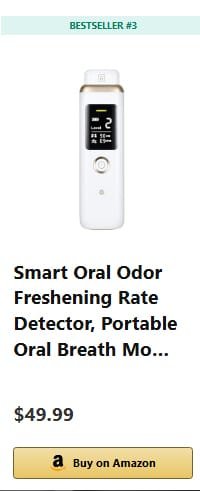
Bad breath can affect your confidence and interactions. However, by learning how to test for bad breath, you take the first step toward self-awareness and control. Home tests are quick, easy, and can guide you to take corrective actions. Whether it’s licking your wrist, using a spoon, or asking a friend, regular self-checks help keep your oral health in top shape.
Remember, consistent oral hygiene and hydration are your best defenses. And when in doubt, your dentist is just a call away.
📌 Recap: Key Takeaways on How to Test for Bad Breath
- Use the lick-and-sniff, spoon test, or floss method for quick self-checks
- Check your tongue for coating
- Ask a trusted friend for honest feedback
- Maintain daily oral hygiene and hydration
- See a dental professional for persistent issues
With these strategies, managing and preventing halitosis becomes simple, empowering you to breathe freely and speak confidently every day.