Tongue Scraping for Bad Breath: A Proven Oral Hygiene Practice
Bad breath, medically known as halitosis, can be an embarrassing and persistent issue. While brushing and flossing are common oral care practices, one often overlooked technique is tongue scraping for bad breath. This simple routine can dramatically enhance your breath freshness and overall oral hygiene. But how does it work, and why is it so effective?
In this article, we’ll explore the science behind tongue scraping, its effectiveness in combating bad breath, the correct way to perform it, and what credible institutions like the National Institutes of Health (NIH) and the American Dental Association (ADA) have to say.


What Causes Bad Breath?
Bad breath originates from multiple sources, but the most common cause is the buildup of bacteria on the tongue. These bacteria produce volatile sulfur compounds (VSCs), which are responsible for the foul odor.
According to the Mayo Clinic, common causes include:
- Poor oral hygiene
- Food particles stuck between teeth
- Smoking
- Dry mouth
- Medical conditions like sinus infections or gastrointestinal issues
(Source: Mayo Clinic)
What Is Tongue Scraping?
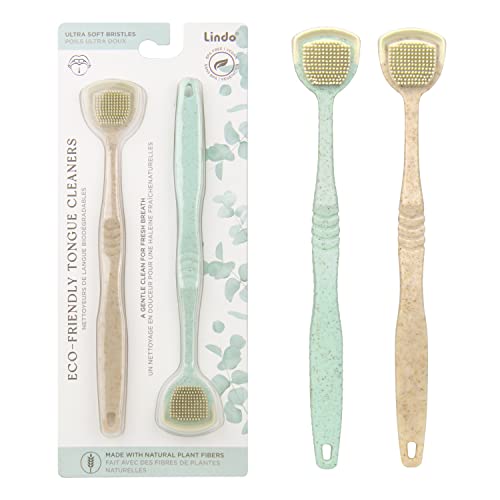
Tongue scraping for bad breath involves using a specially designed tool to gently remove the layer of debris, bacteria, and dead cells from the tongue’s surface. Unlike brushing the tongue with a toothbrush, scraping offers a more concentrated and effective cleaning action.
Transitioning to this practice from merely brushing can yield a significant improvement in oral freshness.
Why Tongue Scraping Is Effective Against Bad Breath
1. Reduces Bacterial Load
The dorsum (top surface) of the tongue is a haven for anaerobic bacteria, which thrive in low-oxygen environments. These bacteria digest protein particles and release foul-smelling VSCs. By scraping them away, you remove the source of odor.
A study published by the Journal of Periodontology found that tongue scraping reduced VSCs significantly compared to toothbrushing alone.(Source: pubmed.ncbi.nlm.nih.gov)
2. Improves Taste Sensation
Removing the thick coating from the tongue can enhance your taste perception. According to the Cleveland Clinic, this benefit is an added advantage to the primary goal of fresher breath.
(Source: clevelandclinic.org)
3. Complements Brushing and Flossing
While brushing and flossing target teeth and gums, tongue scraping completes the trio by addressing the tongue. For a truly clean mouth, this step is vital.
Scientific Backing and Expert Opinions
Multiple research articles support the efficacy of tongue scraping. According to the National Institutes of Health:
“Mechanical cleaning of the tongue significantly reduces the amount of bacteria responsible for halitosis.”(Source: nih.gov)
In addition, the American Dental Association (ADA) recognizes tongue cleaning as part of a comprehensive oral care routine. While they stress brushing and flossing as core practices, they recommend tongue scraping to help with halitosis.
(Source: ada.org)
How to Use a Tongue Scraper Effectively
Step-by-Step Guide
- Choose the Right Scraper
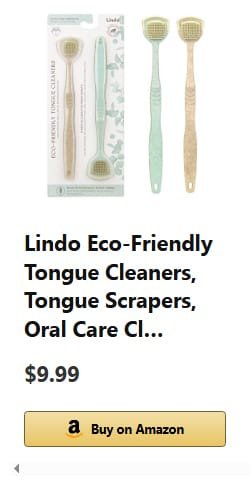
You can find tongue scrapers made from plastic, stainless steel, or copper. All are effective, though many prefer stainless steel for its durability. - Start at the Back
Open your mouth wide and stick out your tongue. Place the scraper as far back on the tongue as comfortable. - Apply Gentle Pressure
Slowly drag the scraper forward toward the tip of your tongue. Rinse the scraper and repeat 3–5 times. - Rinse Your Mouth
Rinse with water or an antibacterial mouthwash for best results. - Clean the Scraper
Wash your scraper with hot water and store it in a clean, dry area.
Frequency: Tongue Scraping for Bad Breath
For best results, scrape your tongue twice a day—morning and night.
Common Mistakes to Avoid
Even though tongue scraping for bad breath is straightforward, many people make simple mistakes:
- Using a toothbrush instead of a scraper: It’s not as effective.
- Scraping too aggressively: This can irritate your tongue.
- Neglecting regular use: Inconsistency reduces effectiveness.
- Not cleaning the scraper: This can harbor bacteria.
Who Should Avoid Tongue Scraping for Bad Breath?
While tongue scraping is safe for most people, it might not be suitable if you:
- Have open sores or cuts on your tongue
- Experience severe gag reflex
- Have recent oral surgery
In such cases, consult your dentist before starting this practice.
Other Strategies for Managing Bad Breath
While tongue scraping is highly effective, it’s even better when combined with other strategies:
- Brush and floss regularly
- Stay hydrated to avoid dry mouth
- Avoid tobacco and reduce alcohol
- Eat a balanced diet
- Visit your dentist regularly
According to the Centers for Disease Control and Prevention (CDC), routine dental visits play a critical role in detecting the early signs of oral issues, including chronic bad breath.
(Source: cdc.gov)
Tongue Scraping Tools: What to Look For
Here are a few qualities to consider when buying a tongue scraper:
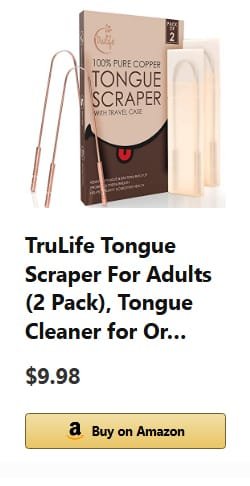
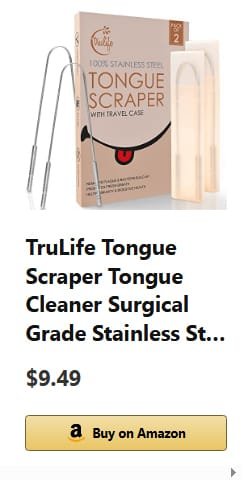
- Material: Stainless steel or copper are ideal.
- Shape: Look for a U-shaped tool that covers the entire width of your tongue.
- Handle grip: Non-slip handles provide better control.
- Ease of cleaning: A dishwasher-safe option can make life easier.
Real User Experiences and Testimonials
Many users report almost immediate improvements in breath after just a few uses. A study conducted by the International Journal of Dental Hygiene found that:
“Participants who practiced daily tongue scraping showed a measurable reduction in self-perceived bad breath and an increase in oral cleanliness perception.”(Source: onlinelibrary.wiley.com)
Conclusion: Is Tongue Scraping for Bad Breath Worth It?
Absolutely. Tongue scraping is one of the easiest, most cost-effective ways to combat bad breath. Its benefits are supported by science, dental experts, and real-world users. By incorporating this simple practice into your daily oral hygiene routine, you can dramatically improve not just your breath, but your overall mouth health.
With credible backing from trusted institutions like the NIH, ADA, and CDC, there’s no reason not to give it a try.
References
- Mayo Clinic – www.mayoclinic.org
- Cleveland Clinic – health.clevelandclinic.org
- National Institutes of Health – www.nih.gov
- American Dental Association – www.ada.org
- Centers for Disease Control and Prevention – www.cdc.gov
- Journal of Periodontology – pubmed.ncbi.nlm.nih.gov
- International Journal of Dental Hygiene – onlinelibrary.wiley.com