
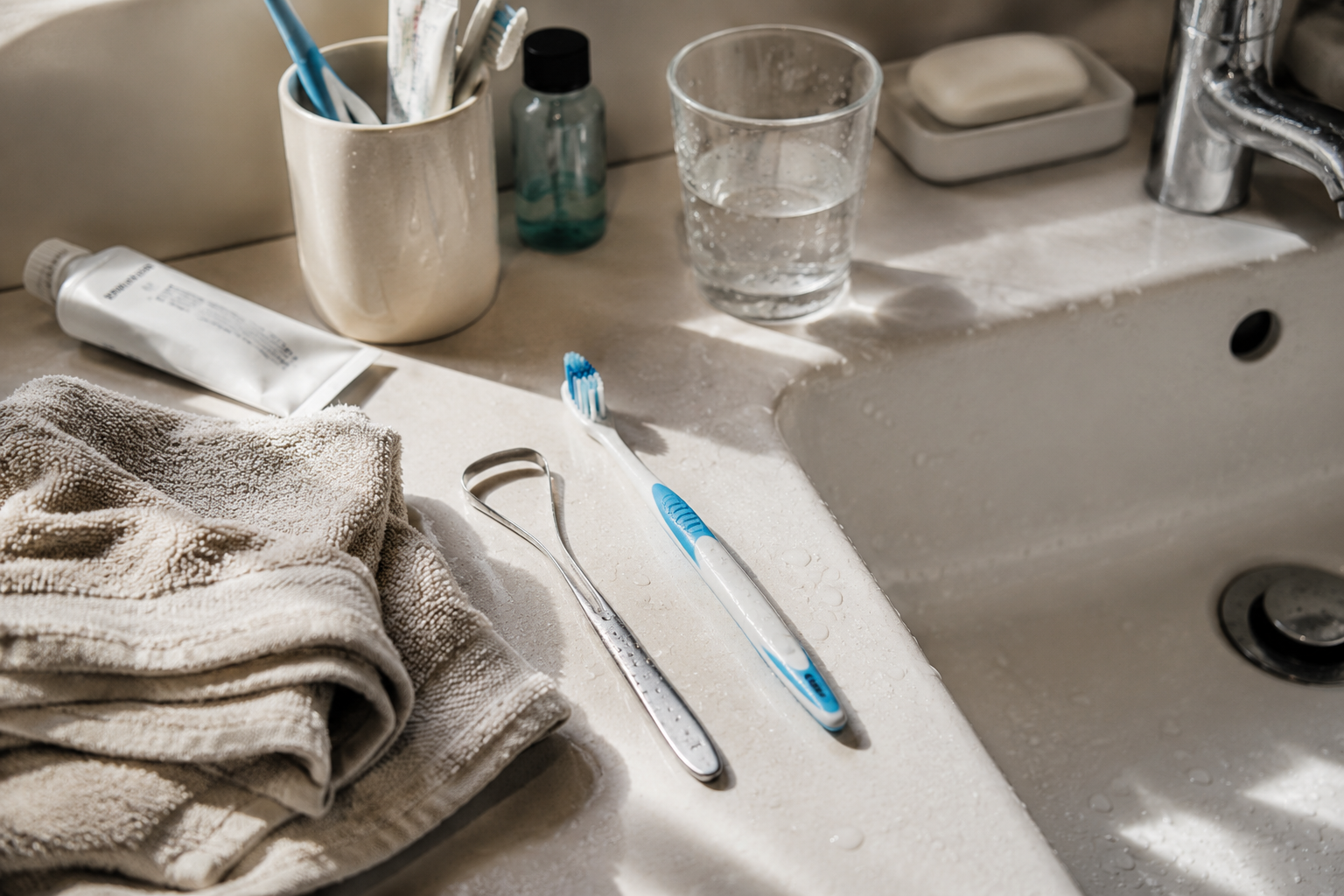
Best Oral Hygiene Habits
Best Oral Hygiene Habits That Actually Make a Difference
Best Oral Hygiene Habits: Some people only notice their breath problems in very specific situations.
After coffee.
During long conversations.
Or when the mouth suddenly feels dry halfway through the afternoon.
Others notice it during quiet moments — when waking up in the morning, sitting in traffic, or catching an unpleasant taste after lunch that brushing somehow did not fully fix.
That is usually when people start searching for “better oral hygiene habits.”
Not because they want perfect teeth.
Mostly because they want their mouth to feel normal again.
A lot of oral hygiene advice online sounds overly simplified:
brush more, floss more, use stronger mouthwash.
But real life is usually messier than that.
Some people brush three times a day and still struggle with bad breath. Some floss consistently but still wake up with a coated tongue and dry mouth. Others use mint-heavy mouthwash constantly because the fresh feeling disappears faster than expected.
Dentists often see this pattern in practice. Oral hygiene problems are not always caused by laziness or poor care. Sometimes the issue comes from small daily habits people barely notice — rushing through brushing, skipping the tongue, breathing through the mouth at night, or never fully cleaning the back teeth properly.
The goal is not creating a perfect routine.
It is building habits that realistically support a healthier mouth over time.
Oral Hygiene Usually Fails in Small, Repetitive Ways
Most people do not suddenly develop bad breath overnight.
It usually builds slowly through small patterns that repeat every day.
Sometimes it is:
- brushing too quickly before work
- falling asleep without flossing
- drinking coffee for hours without water
- using mouthwash instead of actually cleaning buildup
- avoiding tongue cleaning because it triggers gag reflex
These habits sound minor individually. Together, they can noticeably change how the mouth feels throughout the day.
One thing dentists often notice is that patients who brush very frequently still develop odor near the back molars because the brushing motion never fully reaches behind the last teeth.
That area is easy to miss, especially when brushing becomes automatic and rushed.
Brushing Harder Usually Does Not Solve the Problem
A common reaction to bad breath is brushing more aggressively.
People often assume:
stronger brushing = cleaner mouth.
But dentists regularly warn that excessive pressure can irritate gums and wear enamel over time, especially near the gumline.
In real life, many people are not actually under-brushing.
They are rushing.
The toothbrush moves quickly across the front teeth while the harder-to-reach areas get very little attention.
What Dentists Often See During Routine Exams
Dental professionals frequently notice plaque accumulation:
- behind the back molars
- near the gumline
- between crowded teeth
- around areas people think they already cleaned
Patients are often surprised because their teeth look clean in the mirror.
But odor-causing buildup does not always sit in visible areas.
A slower brushing routine is usually more effective than a forceful one.
Sometimes even changing the angle of the toothbrush slightly toward the gums makes a noticeable difference after several weeks.
The Tongue Holds More Bacteria Than Many People Expect
A coated tongue can change the entire smell and taste of the mouth.
People sometimes describe it as:
- a sour taste
- thick morning breath
- dry cotton-like feeling
- strange taste returning after coffee
- unpleasant breath shortly after brushing
The tongue naturally traps:
- bacteria
- food debris
- dead cells
- proteins that bacteria break down over time
This is why brushing teeth alone may not completely solve odor issues.
Tongue Cleaning Helps, But It Is Not a Miracle Fix
Tongue cleaning helps many people, but it does not solve every type of bad breath.
In some cases, the odor source may come from gum pockets, dry mouth, or even sinus-related issues.
That nuance matters because many people become frustrated after trying one solution repeatedly without understanding the bigger picture.
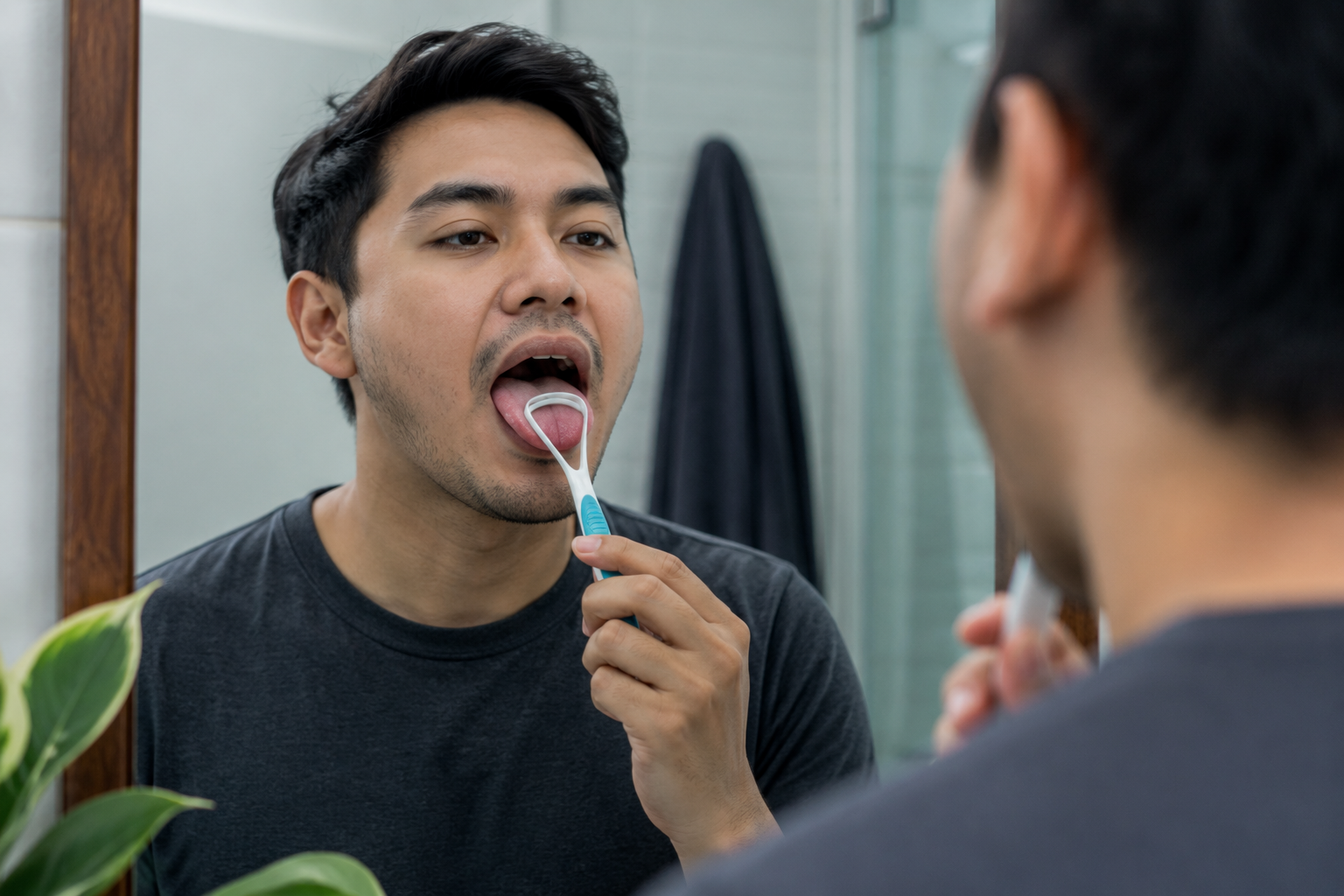
Real-Life Problem: Many People Hate Tongue Scrapers at First
This rarely gets mentioned in typical oral care articles.
A lot of people struggle with:
- gag reflex
- discomfort near the back of the tongue
- over-scraping
- irritation from pressing too hard
Some even stop cleaning the tongue entirely because the experience feels unpleasant.
Ironically, aggressive scraping can sometimes make the tongue feel more irritated afterward.
Most dentists recommend gentler pressure and consistency instead of trying to remove every bit of coating immediately.
Related reading:
How to Clean Your Tongue Properly
Mouthwash Feels Effective Faster Than It Actually Is
Mouthwash creates an immediate sensation people associate with cleanliness.
That cooling mint feeling can be psychologically reassuring, especially before work, meetings, or social situations.
But freshness and cleanliness are not always the same thing.
A lot of people notice the same thing: mouthwash can make the mouth feel extremely fresh for about fifteen minutes, then the unpleasant taste slowly comes back again after coffee or lunch.
That usually happens because the underlying source of odor was never fully removed.
Why Mouthwash Sometimes Makes Dry Mouth Worse

Some rinses — especially highly alcohol-based formulas — can leave the mouth feeling drier afterward.
This becomes more noticeable in people who already:
- sleep with their mouth open
- drink a lot of caffeine
- talk for long periods at work
- take medications associated with dry mouth
The result is frustrating:
the mouth feels minty at first, then strangely sticky an hour later.
That does not mean mouthwash is useless.
It simply works better as a supporting habit instead of the main strategy.
Dry Mouth Quietly Changes the Entire Mouth Environment
Dry mouth is one of the most overlooked contributors to persistent bad breath.
People often expect bad breath to come from “dirty teeth,” but saliva actually plays a major role in keeping the mouth balanced.
When saliva decreases, bacteria and food particles remain in the mouth longer.
The mouth may start feeling:
- sticky
- warm
- sour
- coated
- unusually dry near the tongue and cheeks
Some people especially notice it during:
- long meetings
- fasting
- long car rides
- waking up at night
- stressful afternoons
What Dentists Commonly Hear From Patients
Patients often describe dry-mouth breath in very specific ways:
“My mouth feels weird even after brushing.” “The freshness disappears too quickly.” “It feels dry no matter how much gum I chew.”
Those details matter because oral discomfort is not always visible.
Related reading:
Dry Mouth Causes Bad Breath
Flossing Helps in Areas Toothbrushes Cannot Reach
Many people already know flossing is important.
The difficult part is maintaining the habit consistently, especially at night when people are tired.
That is where real-life oral hygiene often breaks down.
People promise themselves they will floss “tomorrow instead.”
Then food debris stays trapped between teeth for hours while bacteria continue breaking it down overnight.
Why Bleeding Sometimes Happens Initially
Mild bleeding during flossing is extremely common when gums are already irritated from plaque buildup.
People often assume:
“Bleeding means I should stop flossing.”
But dentists frequently explain the opposite may be true in mild cases.
Still, persistent bleeding, swelling, or pain should always be professionally evaluated because gum disease can develop gradually without obvious symptoms early on.
Related reading:
How to Improve Gum Health
Morning Breath Is Usually More Complex Than People Think
Morning breath is extremely common.
During sleep:
- saliva production decreases
- bacteria remain active for hours
- the mouth becomes drier
- odor compounds accumulate more easily
But the intensity varies from person to person.
Someone who snores, breathes through the mouth, eats sugary snacks late at night, or skips nighttime oral care may notice much stronger morning odor.
Some people also wake up with:
- thick saliva
- fuzzy-feeling teeth
- dry tongue texture
- bitter taste near the back of the mouth
Those sensory details often reveal more than people realize about what is happening overnight.
Related reading:
Why My Breath Smells After Brushing
Sustainable Oral Hygiene Usually Looks Boring
This is something many dentists quietly emphasize.
The most effective oral hygiene routines are usually not extreme.
They are repetitive.
People who maintain healthier mouths long term often follow surprisingly simple habits:
- brushing carefully instead of aggressively
- flossing most nights
- cleaning the tongue gently
- drinking more water
- attending routine dental cleanings
Small Habits That Sometimes Matter More Than Expensive Products
In practice, people often notice meaningful improvement from things like:
- drinking water after coffee
- brushing before bed no matter how tired they are
- replacing old toothbrushes
- avoiding sugary snacks late at night
- cleaning the tongue gently instead of aggressively
None of these habits sound dramatic.
But oral hygiene problems themselves are often not dramatic at first either. They slowly build through repetition.
Related guide:
How to Stop Bad Breath Naturally
When Persistent Bad Breath Needs Professional Attention
Not every breath issue can be solved at home.
Persistent odor may sometimes involve:
- gum disease
- dental infections
- deep plaque buildup
- chronic dry mouth
- tonsil stones
- sinus conditions
- digestive issues
This is why experienced dentists usually avoid oversimplifying bad breath into one single cause.
Sometimes the source is obvious.
Sometimes it is surprisingly difficult to identify without examination.
That uncertainty is normal in oral health.
Final Thoughts
Healthy oral hygiene is usually less about achieving a perfectly fresh mouth every hour of the day.
It is more about understanding patterns.
What happens after coffee.
What happens late at night.
What happens when the mouth becomes dry for several hours.
People often search for one perfect product to solve bad breath quickly.
But in reality, long-term improvement usually comes from small habits repeated consistently — especially the boring ones people rarely think about until something starts feeling off.
And in many cases, the mouth simply feels healthier before it even smells fresher:
less dryness, less coating, less strange taste lingering in the background.
Frequently Asked Questions
What is the most important oral hygiene habit for bad breath?
Consistent brushing, tongue cleaning, flossing, and hydration together usually matter more than relying on a single product.
Is brushing three times a day better?
Not always. Overbrushing aggressively may irritate gums. Proper technique is often more important than frequency alone.
Why does my breath still smell after brushing?
Bad breath can also come from tongue coating, dry mouth, gum problems, trapped food particles, or other oral health conditions.
Should the tongue be cleaned every day?
Many dental professionals recommend gentle daily tongue cleaning because bacteria and debris commonly accumulate there.
Can dry mouth make bad breath worse?
Yes. Reduced saliva allows odor-causing bacteria and debris to remain in the mouth longer.
External References
Gunakan secara natural di body artikel atau bagian references:
- American Dental Association
- Mayo Clinic – Bad Breath Overview
- Cleveland Clinic – Dry Mouth and Oral Health
About the Author — Bad Breath Treatment Editorial Team
The Bad Breath Treatment Editorial Team researches practical oral hygiene habits, dry mouth issues, tongue cleaning routines, gum health, and everyday causes of persistent bad breath.
Our content is written using a combination of dental references, clinical oral health resources, observational hygiene patterns, and real-world daily care experiences. Articles are reviewed and updated to improve clarity, accuracy, and usefulness for readers looking for realistic oral care information.
We focus on creating straightforward educational content that feels practical and understandable rather than overly promotional or product-driven.
Medical Disclaimer
This article is intended for educational and informational purposes only and should not be considered medical advice, diagnosis, or treatment.
Bad breath and oral discomfort can sometimes be associated with underlying dental or medical conditions. Always consult a licensed dentist or healthcare professional regarding persistent symptoms, gum bleeding, oral pain, or ongoing concerns related to oral health.




4 Comments