

Daily Gum Care Habits
Daily Gum Care Habits for Healthier Teeth and Gums
Daily Gum Care Habits: Most people focus on keeping their teeth clean but rarely think much about their gums until a problem starts appearing. A small amount of bleeding while brushing, mild swelling near the gumline, or persistent bad breath can sometimes be early signs that the gums need more attention.
In many cases, gum health is shaped by small daily habits repeated consistently over time. Brushing technique, hydration, flossing habits, and even tongue cleaning may all influence the overall condition of the mouth.
Some people are surprised to discover that improving gum care does not always require complicated routines. Often, simple changes practiced regularly can make a noticeable difference over time.
If you are still learning the difference between plaque and tartar buildup, this guide may also help: Plaque vs Tartar

Why Gum Health Matters More Than Many People Realize
Healthy gums do more than support the teeth. They also help protect sensitive tooth roots and create a barrier against bacteria near the gumline.
When gums become irritated or inflamed, bacteria may collect more easily around the teeth and between small spaces inside the mouth. Over time, this may affect: mouth comfort, chewing comfort, oral hygiene, breath freshness, overall gum condition
One reason gum problems are often ignored is because they usually develop gradually. Many people continue their normal brushing routine without realizing that plaque buildup and irritation are slowly increasing near the gumline.
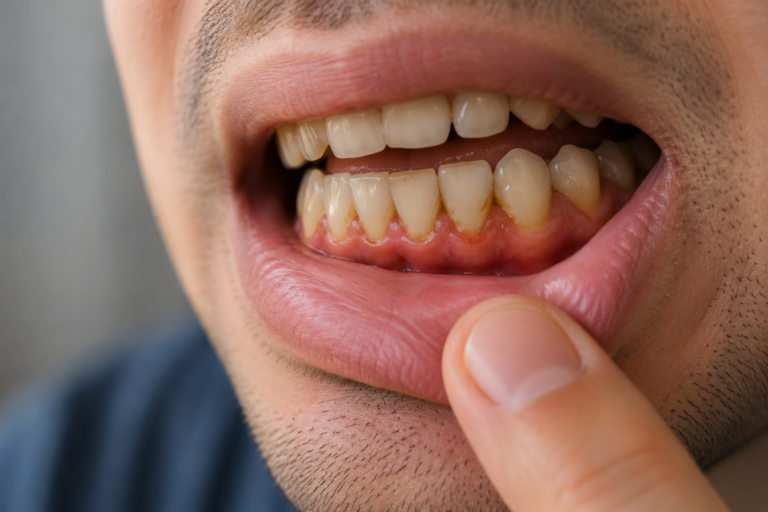
Healthy gums are usually: light pink, firm, comfortable during brushing, free from regular bleeding, free from swelling
Early Signs Your Gums May Need More Attention
Bleeding During Brushing or Flossing
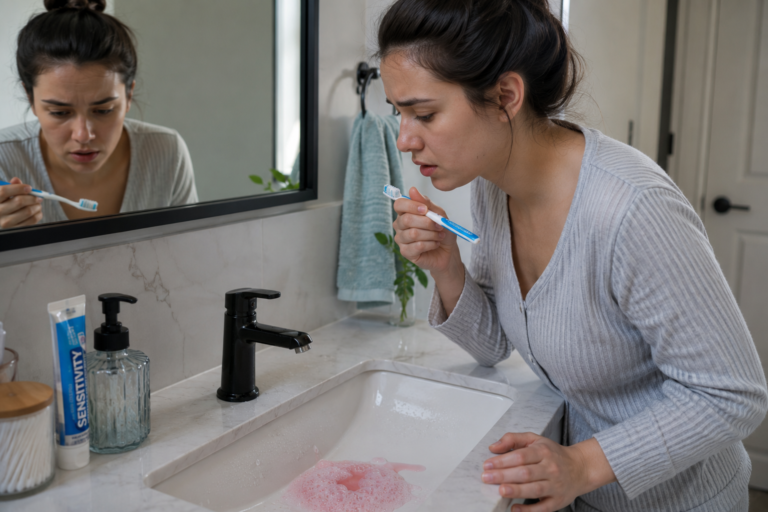
One of the most common warning signs is seeing blood while brushing or flossing.
Many people assume they are brushing too hard, but bleeding often happens because plaque and bacteria have been sitting near the gumline for extended periods.
Some individuals notice that bleeding becomes more noticeable after skipping flossing for several days, especially around the back teeth where food particles are easier to trap.
Swollen or Puffy Gum Areas
Healthy gums usually fit closely around the teeth.
When irritation develops, certain areas may begin looking red, swollen, or slightly raised. This is common near areas that are harder to clean consistently, such as:
- back molars
- crowded teeth
- gumlines near dental work
- wisdom tooth areas
Some people first notice this while eating crunchy foods or brushing sensitive spots near the gums.
Persistent Mouth Odor
Bad breath is not always caused by food alone.
Bacteria around irritated gums may continue producing unpleasant odor even after brushing carefully. Some people describe this as a bad taste that quickly returns shortly after cleaning their mouth.
In many cases, improving gum hygiene habits may gradually help improve overall breath freshness.
Increased Gum Sensitivity
Irritated gums may become more sensitive during:
- brushing
- flossing
- eating hot foods
- drinking cold beverages
Some people also notice discomfort after switching to a harder toothbrush or brushing too aggressively near the gumline.
How Plaque Affects the Gums
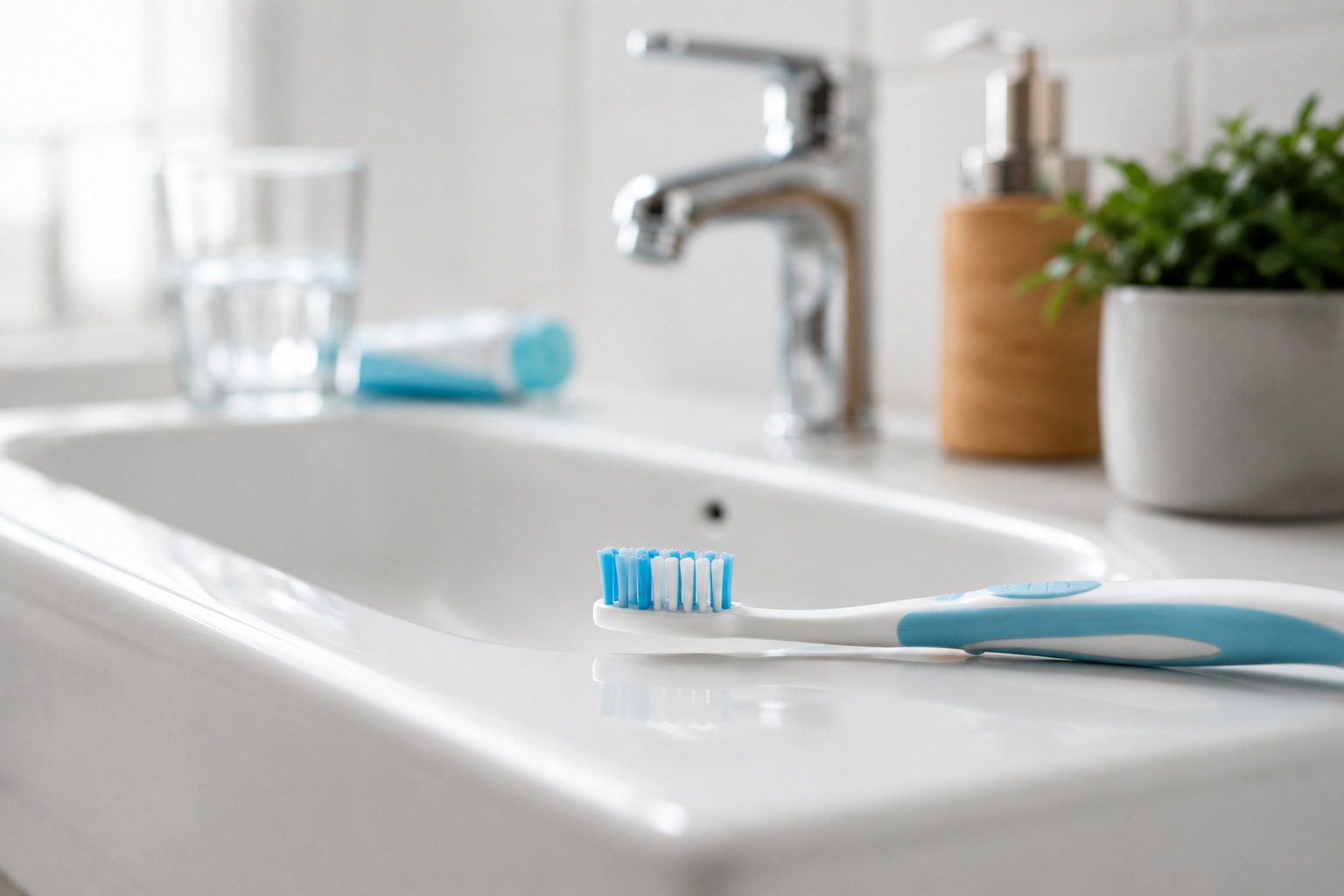
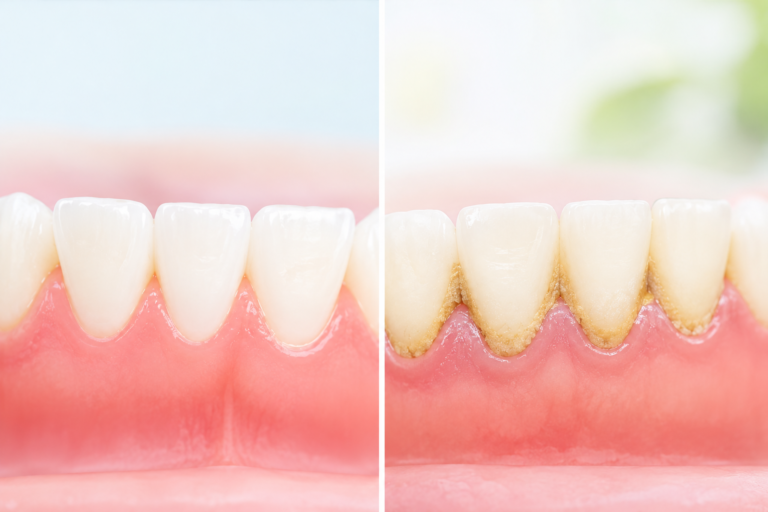
Plaque is a soft, sticky layer of bacteria that naturally forms on teeth every day.
Even after brushing at night, plaque begins forming again within hours. Areas near the gumline are especially vulnerable because toothbrush bristles often miss tiny spaces where bacteria collect.
If plaque is not removed consistently, it may irritate the gums and eventually harden into tartar.
Unlike soft plaque, tartar usually cannot be removed through brushing alone. Its rough surface may allow even more bacteria to collect over time.
Many people are surprised by how quickly buildup can return when brushing or flossing habits become inconsistent for only a few days.
The Often-Ignored Role of Dry Mouth
Saliva plays an important role in helping control bacteria inside the mouth.
When the mouth becomes dry, bacteria may build up more easily around the gums, tongue, and teeth surfaces.
Some people notice worse mouth odor or gum discomfort after: dehydration, poor sleep, mouth breathing, excessive coffee intake, long hours without drinking water
Morning dryness is especially common because saliva production naturally slows during sleep.
Tongue Bacteria and Gum Hygiene
Many people focus only on brushing their teeth while completely ignoring the tongue.
However, the tongue surface may collect: bacteria, food debris, dead cells, coating buildup
Without regular cleaning, tongue bacteria may continue contributing to unpleasant breath and bacterial accumulation inside the mouth.
Some individuals are surprised by how much buildup appears during the first few days of regular tongue cleaning.
Daily Habits That May Gradually Improve Gum Health
Improving gum condition is usually more about consistency than aggressive cleaning.
Small daily habits practiced regularly often create better long-term results.
Brush Gently — Not Aggressively
Many people believe harder brushing cleans better.
In reality, aggressive brushing may irritate already-sensitive gum tissue.
A gentler approach is usually more effective:
- use a soft-bristled toothbrush
- brush gently near the gumline
- brush for at least two minutes
- replace worn toothbrushes regularly
Some people notice reduced gum sensitivity after improving brushing pressure for several weeks.
Floss Consistently
Brushing alone cannot fully clean between teeth.
Flossing helps remove trapped food particles and plaque buildup from areas that toothbrushes often miss.
It is also common for gums to bleed slightly during the first several days of consistent flossing if irritation already exists. For many people, this gradually improves as bacterial buildup decreases.
Stay Hydrated Throughout the Day
Hydration helps support saliva production and overall mouth comfort.
Some people find it easier to improve hydration by keeping water nearby during work or daily activities instead of waiting until they feel thirsty.
Even small improvements in hydration habits may help reduce dryness and bacterial buildup.
Reduce Frequent Sugar Exposure
Bacteria feed on sugar.
Frequent sugary snacks and drinks may encourage more plaque buildup near the gumline throughout the day.
Reducing sugar intake may help: lower bacterial buildup, improve gum comfort, reduce plaque accumulation
Eat Crunchy Fruits and Vegetables
Foods such as: apples, carrots, celery, cucumbers
may help stimulate saliva while chewing.
Many people also notice that crunchy foods leave the mouth feeling cleaner compared to sticky processed snacks.
Avoid Smoking
Smoking may reduce blood flow to the gums and make irritation more difficult to improve over time.
It may also contribute to: persistent bad breath, plaque buildup, gum recession, delayed healing
Clean the Tongue Daily
Daily tongue cleaning may help reduce bacteria that remain inside the mouth after brushing.
Tongue scrapers or soft toothbrushes are commonly used for this purpose.
Many people notice the heaviest tongue coating during the morning, especially after dehydration or poor sleep.
Building a Simple Daily Gum Care Routine
Consistency usually matters more than perfection.
Small habits repeated every day often create better long-term improvements than occasional deep cleaning routines.

Morning Routine
A simple morning routine may include:
- Drinking water after waking up
- Brushing gently near the gumline
- Cleaning the tongue surface
- Eating a balanced breakfast
- Staying hydrated throughout the morning
Evening Routine
Before bed, many people benefit from: brushing thoroughly, flossing carefully, avoiding sugary late-night snacks, rinsing with water after eating
Nighttime hygiene is important because bacteria continue multiplying while saliva production slows during sleep.
Oral Care Products and Daily Hygiene
Some people also explore oral care products designed to support cleaner daily mouth hygiene routines alongside regular brushing and flossing habits.
One example is Dental Pro 7, a product often discussed in oral care communities focused on gum hygiene and overall mouth cleanliness.
Like many oral care products, results may vary depending on consistency, oral hygiene habits, and individual dental conditions.
When Professional Dental Care May Be Necessary
Daily hygiene habits are important, but some symptoms may still require professional evaluation.
You should consider seeing a dental professional if you notice:
- frequent gum bleeding
- swollen gums that do not improve
- loose teeth
- gum recession
- severe mouth odor
- ongoing pain or sensitivity
Professional cleaning may help remove tartar buildup and identify underlying issues that home care alone may not fully address.
Final Thoughts
Healthy gums are usually the result of small daily habits practiced consistently over time rather than dramatic overnight changes.
Gentle brushing, regular flossing, hydration, tongue cleaning, and reducing plaque buildup may gradually improve overall gum comfort and mouth hygiene.
Many people only begin noticing improvements after becoming more consistent with their routine for several weeks.
In most cases, long-term consistency matters far more than occasional aggressive cleaning efforts.
FAQ
What are the best daily habits for healthy gums?
Gentle brushing, flossing consistently, staying hydrated, reducing plaque buildup, and cleaning the tongue are among the most important habits.
Why do gums bleed during brushing?
Bleeding often happens because plaque and bacteria irritate the gums near the gumline.
Can flossing improve gum condition?
Yes. Regular flossing helps remove trapped food particles and plaque between teeth.
Does dry mouth affect gum health?
Yes. Reduced saliva may allow bacteria to build up more easily around the gums and tongue.
Is tongue cleaning important for oral hygiene?
Tongue cleaning may help reduce bacteria and improve overall mouth freshness.
Related articles
- Dental Pro 7 Gum Support
- How to Get Rid of Bad Breath Permanently
- Top Causes of Bad Breath
- Best Natural Remedies
- Dental Pro 7 Bad Breath Support
References
- American Dental Association — Gum Care and Oral Hygiene
- Mayo Clinic — Gingivitis Symptoms and Prevention
- Cleveland Clinic — Healthy Gum Habits
- National Institute of Dental and Craniofacial Research
Disclaimer
This article is for educational purposes only and is not intended as medical advice. Persistent oral health symptoms should always be evaluated by a licensed dental professional.
About the Author
Written by MS Adiwirya, focused on practical oral hygiene education, gum care awareness, and daily habits that support healthier mouth hygiene routines.

6 Comments