

Best Natural Remedies
Best Natural Remedies for Bad Breath That Actually Help
Best Natural Remedies: Bad breath is one of those problems people rarely talk about openly, yet almost everyone experiences it at some point. Sometimes it appears in the morning and disappears after brushing. Other times, it lingers for weeks even when someone is already using mouthwash, flossing daily, and trying different products.
What many people eventually realize is that bad breath is rarely caused by just one thing.
Dry mouth, gum irritation, plaque buildup, tongue bacteria, diet, digestive issues, smoking, dehydration, and even stress can all contribute to unpleasant breath. That’s why natural remedies often work best when they focus on improving the overall environment inside the mouth instead of simply masking odor for an hour.
After reviewing oral hygiene studies, speaking with dental professionals, and observing common patterns among people dealing with chronic bad breath, several natural approaches consistently stand out as genuinely helpful.
Some are surprisingly simple.
Others require consistency more than expensive products.
And importantly, not every remedy works for every person in the same way.
Why Natural Remedies Sometimes Work Better Than Strong Mouthwash
One thing many people notice after using alcohol-based mouthwash repeatedly is that their mouth feels fresh for a short time, then becomes dry later.
That dryness matters.
A dry mouth creates a better environment for odor-producing bacteria to grow. Saliva naturally helps clean the mouth by washing away food particles and bacteria throughout the day. When saliva production drops, bad breath often becomes more noticeable.
Natural remedies tend to work differently. Instead of overwhelming the mouth with strong mint flavors, they usually support healthier oral conditions gradually.
That may include:
- reducing bacteria buildup on the tongue
- improving gum health
- encouraging saliva production
- lowering inflammation
- helping plaque removal
- supporting cleaner eating habits
For many people, long-term improvement comes from combining several small habits consistently rather than searching for a single miracle cure.
If you have not yet explored the common underlying causes of persistent bad breath, this guide on
Bad breath causes and prevention/ can help connect the bigger picture.
Tongue Cleaning Is Often More Important Than People Realize
A surprising amount of bad breath originates from the tongue.
The rough surface on the back of the tongue easily traps bacteria, dead cells, and food debris. Even people who brush their teeth carefully sometimes skip cleaning their tongue entirely.
Dentists frequently observe that patients with chronic halitosis have a noticeable coating toward the back of the tongue.
Gentle Tongue Scraping
Using a tongue scraper once or twice daily can noticeably reduce odor for many people.
The key is being gentle.
Over-scraping can irritate the tongue and create sensitivity. A few slow passes from the back toward the front is usually enough.
Some people prefer stainless steel scrapers, while others use silicone versions. The exact tool matters less than consistency.
Hydration Also Affects Tongue Bacteria
People who wake up with severe morning breath often underestimate how much dehydration contributes to the problem.
Drinking enough water during the day helps maintain saliva flow, which naturally controls bacterial buildup.
Coffee, smoking, alcohol, and sleeping with an open mouth can all worsen dryness.
Salt Water Rinses Can Calm Irritated Gums
A warm salt water rinse remains one of the oldest oral care practices for a reason.
It does not instantly eliminate bad breath forever, but it can help soothe irritated gums and reduce bacterial accumulation around swollen areas.
This becomes especially relevant for people whose bad breath is connected to bleeding gums or inflammation.
If your gums bleed regularly while brushing, there may be an underlying gum health issue contributing to odor. This article about
Why gums bleed when brushing explains several common causes in more detail.
How To Use a Salt Water Rinse Properly
Mix about half a teaspoon of salt into a glass of warm water.
Swish gently for around 30 seconds.
There is no need to use an excessive amount of salt. More is not necessarily better.
Many people use this method temporarily during periods of gum irritation rather than as an all-day routine.
Certain Foods Quietly Make Bad Breath Worse
Sometimes people focus heavily on toothpaste while ignoring the foods that repeatedly trigger odor.
Garlic and onions are obvious examples, but they are not the only ones.
Sugary snacks, highly processed foods, excess dairy for some individuals, and low-carb diets can also contribute to unpleasant breath.
Protein-heavy diets sometimes increase sulfur compounds in the mouth, especially when hydration is poor.
Foods That Commonly Trigger Odor
Several foods are repeatedly associated with stronger breath odor: sugary snacks that feed oral bacteria, sticky processed foods that remain on teeth longer, excessive coffee intake, alcohol, garlic and onions, certain dairy products
A more detailed breakdown can be found in this guide on
Foods that cause bad breath
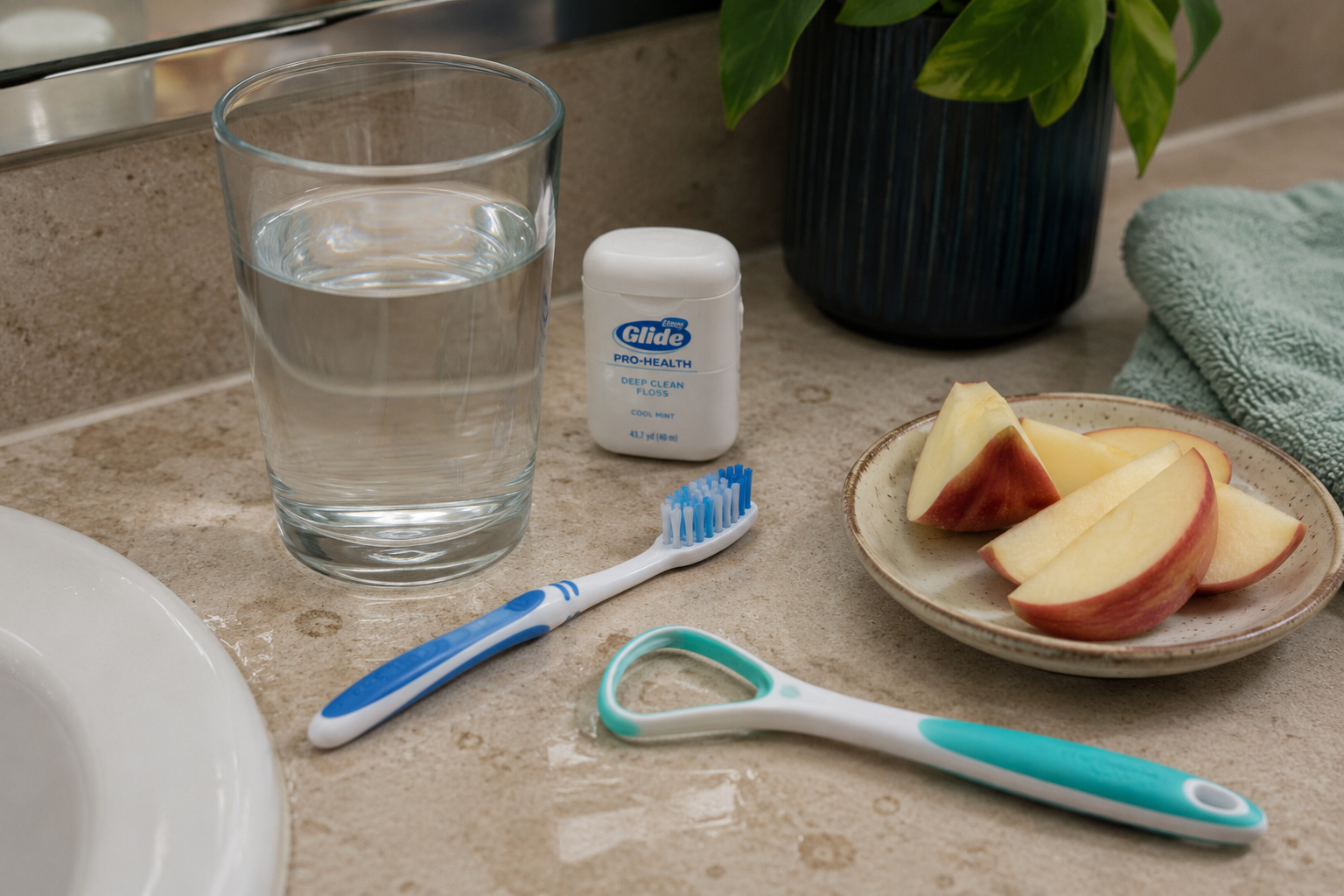
Crunchy Fruits and Vegetables Help Naturally Clean the Mouth
Apples, carrots, celery, and cucumbers encourage chewing and saliva production.
They are not replacements for brushing, but they can help reduce buildup between meals.
Many dentists informally refer to crunchy vegetables as “natural scrubbers” because they help loosen debris on tooth surfaces.
Oil Pulling: Helpful for Some People, Overhyped for Others
Oil pulling has become extremely popular online, although the discussion around it is often exaggerated.
Some people genuinely report fresher breath after using coconut oil for several weeks.
Others notice little difference.
Current evidence suggests oil pulling may help reduce bacteria and plaque to a certain degree, but it should not replace brushing, flossing, or professional dental care.
A Realistic Way To Approach Oil Pulling
If someone wants to try oil pulling, keeping expectations realistic is important.
A small amount of coconut oil swished for 5–10 minutes before brushing is usually enough.
Longer is not automatically better.
And if the process feels unpleasant, there are many other natural approaches that may work just as well.
Gum Health Often Determines Breath Quality
Many persistent bad breath cases are closely connected to gum problems.
When plaque accumulates around the gumline, bacteria begin producing sulfur compounds that create unpleasant odors.
Even mild gum inflammation can contribute.
People sometimes assume their teeth are clean because they brush twice daily, yet plaque between teeth and below the gumline can still remain untouched.
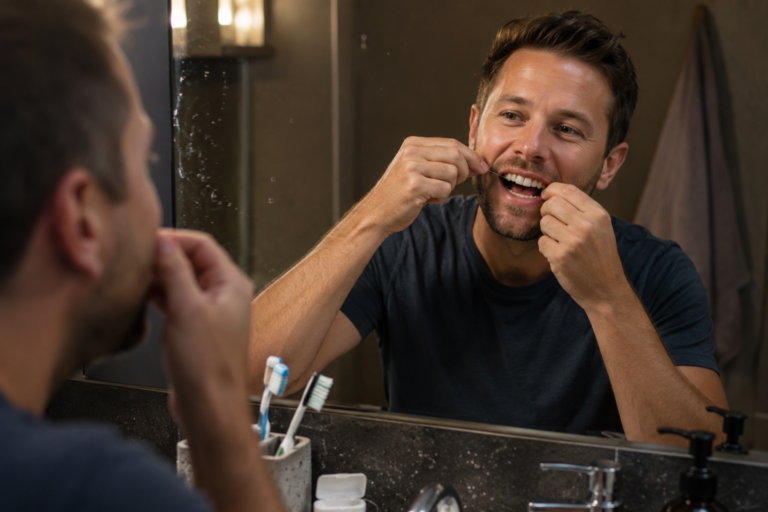
Flossing Consistency Matters More Than Perfection
Dentists often say inconsistent flossing is one of the biggest overlooked issues in oral care.
Flossing aggressively once a week is usually less effective than flossing gently every evening.
For people who dislike traditional floss, water flossers or floss picks may improve consistency.
Natural Oral Care Products Can Support Daily Maintenance
Many people searching for natural remedies eventually look for oral care products that avoid harsh alcohol formulas while still supporting gum and breath health.
The safest approach is usually to view these products as supportive tools rather than miracle solutions.
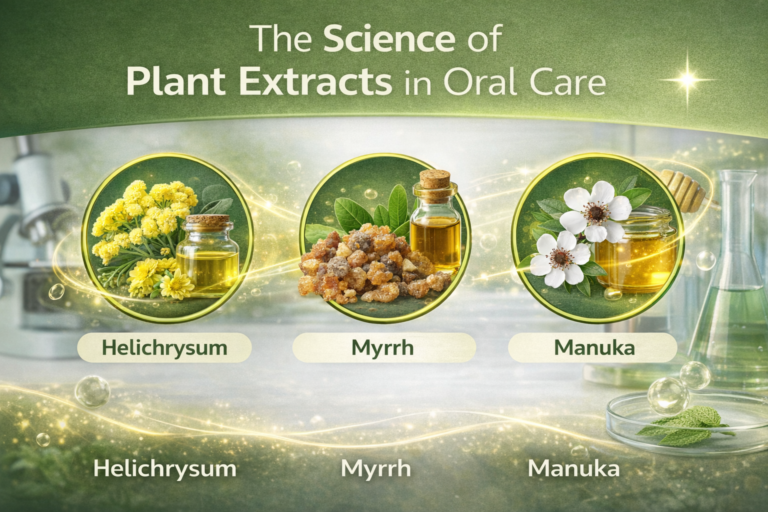
Some herbal oral care formulas focus on ingredients traditionally associated with cleaner breath and healthier gums.
For readers exploring natural oral care options, some people choose products such as
Dental Pro 7 as part of a broader oral hygiene routine.
What matters most is still the foundation: consistent brushing, tongue cleaning, flossing, hydration, and addressing gum health early.
Reference : American Dental Association (ADA) – Oral Hygiene Topics
Brushing Alone Is Sometimes Not Enough
One frustrating experience many people describe is brushing thoroughly yet still noticing bad breath shortly afterward.
Usually, this happens because the underlying source has not been addressed.
The odor may originate from:
- bacteria on the tongue
- plaque below the gumline
- dry mouth
- trapped food particles
- untreated cavities
- smoking
- digestive conditions
- chronic gum inflammation
This is explained further in
causes of bad breath even after brushing
Daily Habits Usually Matter More Than Expensive Products
One pattern appears repeatedly among people who successfully improve chronic bad breath: they become more consistent with simple habits. Not obsessive. Just consistent. They drink more water. They clean their tongue. They stop skipping flossing. They reduce smoking. They pay attention to gum irritation earlier. They avoid relying entirely on strong mint products to hide symptoms. And importantly, they recognize when a professional dental exam is necessary.

When To See a Dentist
Natural remedies can help many mild cases of bad breath, but persistent odor lasting weeks or months deserves professional evaluation.
Especially if it comes with: bleeding gums, loose teeth, pain, dry mouth, white coating on the tongue, metallic taste, swelling, persistent plaque buildup
In some situations, chronic bad breath may signal gum disease, infection, tonsil stones, cavities, or other medical conditions.
Final Thoughts
Natural remedies for bad breath can absolutely help, especially when they focus on improving oral health rather than masking odor temporarily.
But the most realistic approach is understanding that fresh breath usually comes from multiple small improvements working together.
A cleaner tongue. Healthier gums. Better hydration. Consistent plaque removal. Smarter food choices. And patience.
For many people, the goal is not achieving “perfect mint breath” every minute of the day.
It is creating a healthier mouth environment that naturally produces fresher breath over time.
Frequently Asked Questions
What is the most effective natural remedy for bad breath?
There is no single remedy that works for everyone, but tongue cleaning, better hydration, flossing, and improving gum health are consistently among the most effective natural approaches.
Can dehydration cause bad breath?
Yes. A dry mouth reduces saliva production, allowing odor-causing bacteria to multiply more easily.
Does salt water help with bad breath?
Salt water rinses may help reduce irritation and bacteria temporarily, especially when gum inflammation contributes to bad breath.
Why do I still have bad breath after brushing?
Bad breath can originate from the tongue, gums, plaque buildup, dry mouth, cavities, digestive issues, or smoking. Brushing alone may not address the root cause.
Are natural oral care products worth trying?
Some people find herbal oral care products helpful as part of a broader oral hygiene routine. However, they work best alongside consistent brushing, flossing, tongue cleaning, hydration, and regular dental care.
About the Author – Bad Breath Treatment Editorial Team
The Bad Breath Treatment Editorial Team researches oral hygiene habits, gum health, plaque control, and natural approaches to fresher breath. Our content is created using dental references, preventive oral care research, clinical observations, and real-world hygiene practices commonly discussed by dental professionals.
We focus on practical, realistic, and easy-to-understand information designed to help readers build healthier daily oral care routines.
Whenever possible, articles are reviewed and updated to reflect current oral health guidance and evolving dental hygiene recommendations.
Medical Disclaimer
This article is for informational and educational purposes only and should not be considered medical advice, diagnosis, or treatment.
Persistent bad breath, bleeding gums, oral pain, swelling, or ongoing dental concerns should be evaluated by a licensed dentist or healthcare professional.
Results from natural remedies and oral care products may vary depending on individual oral health conditions and consistency of care.
7 Comments