
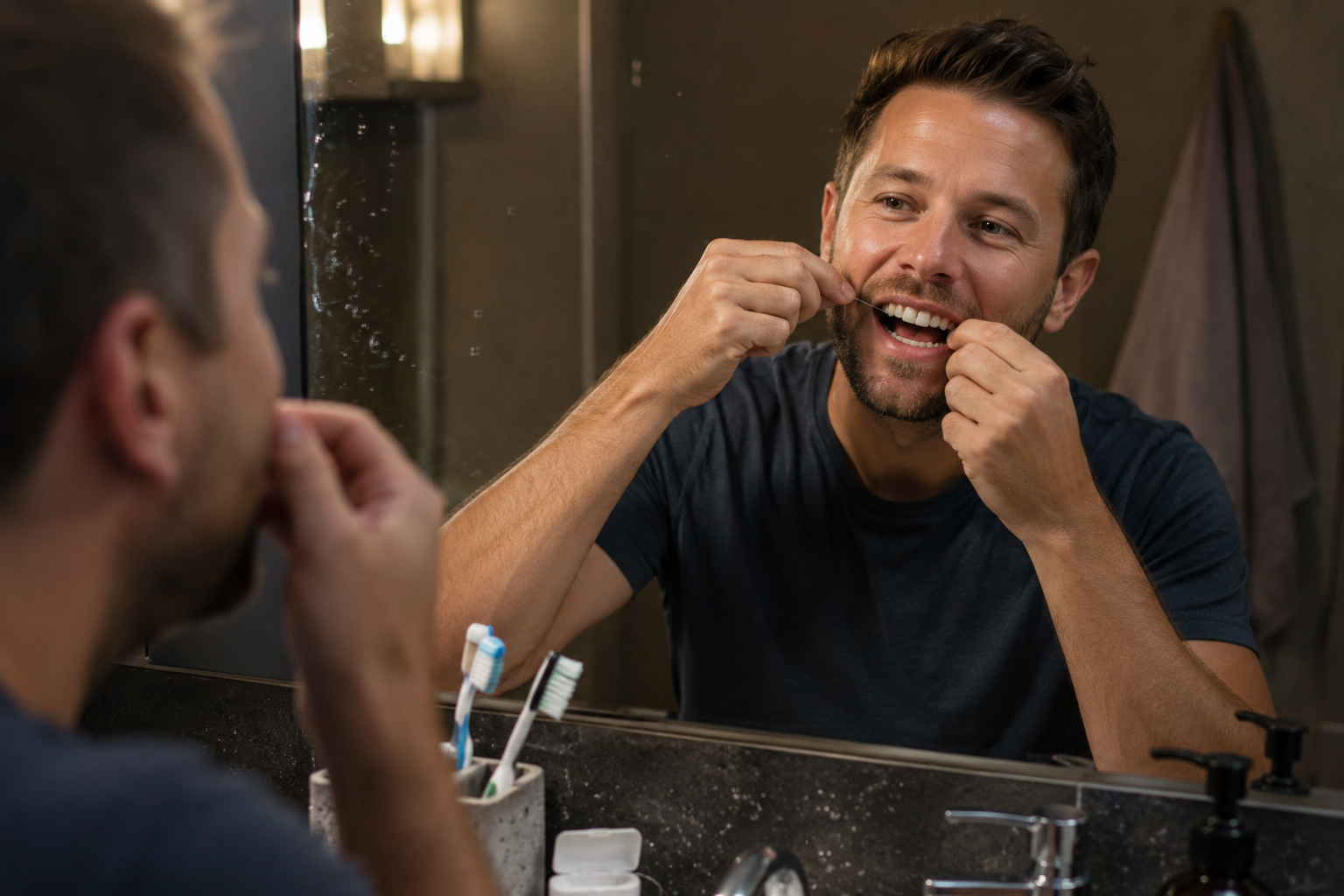
Top Causes of Bad Breath
Top Causes of Bad Breath Most People Overlook
Top Causes of Bad Breath: Bad breath is far more common than most people think.
Almost everyone experiences it occasionally after waking up, drinking coffee, eating certain foods, or going too long without brushing. But when bad breath becomes persistent, many people start feeling frustrated because the usual solutions often seem temporary.
They brush harder, buy stronger mouthwash, chew gum constantly.
Yet the odor keeps coming back.
The reason is simple.
Bad breath is usually a symptom, not the real problem.
In many cases, the source comes from bacteria buildup, gum irritation, dry mouth, food habits, or underlying oral health issues that are quietly developing over time.
After reviewing dental hygiene research, oral health publications, and recurring patient experiences commonly discussed by dental professionals, several causes appear repeatedly in people struggling with chronic bad breath.
And interestingly, some of the biggest causes are things people rarely notice themselves.
The Mouth Naturally Contains Bacteria
This surprises some people, but having bacteria inside the mouth is completely normal.
A healthy mouth contains millions of bacteria at all times.
The issue begins when certain bacteria start accumulating excessively, especially in areas where oxygen is limited. These bacteria break down food particles and proteins, producing sulfur compounds that create unpleasant odors.
That characteristic “bad breath smell” often comes from these sulfur-producing bacteria.
The Back of the Tongue Is a Common Source
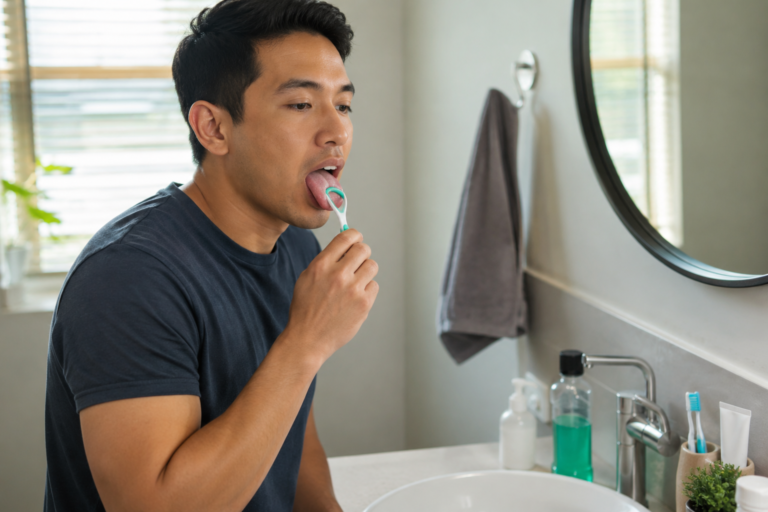
One of the most overlooked causes of bad breath is the tongue.
The back portion of the tongue contains tiny grooves and textured surfaces where bacteria, food debris, and dead cells collect easily.
Even people who brush thoroughly sometimes skip cleaning their tongue entirely.
Dentists frequently notice that chronic bad breath patients often have a visible coating toward the back of the tongue.
This coating can become more noticeable when someone is dehydrated, sick, smoking regularly, or consuming large amounts of coffee.
Dry Mouth Makes the Problem Worse
Saliva plays an important role in controlling odor.
It naturally helps wash away bacteria and food particles throughout the day.
When saliva production decreases, bacteria multiply more easily.
This is one reason morning breath tends to be worse after sleeping.
Common causes of dry mouth include: dehydration, alcohol consumption, smoking, certain medications, sleeping with the mouth open, excessive caffeine
Gum Problems Are Closely Linked to Bad Breath
Persistent bad breath is often connected to gum inflammation.
When plaque accumulates around the gumline, bacteria begin irritating the gums and producing stronger odors.
People sometimes assume their teeth are clean because they brush twice daily, yet plaque between teeth and below the gums can still remain.

Bleeding Gums Should Not Be Ignored
Many people consider mild bleeding during brushing “normal.”
It usually is not.
Bleeding gums often indicate irritation or early gum disease, both of which can contribute to unpleasant breath.
If gum bleeding happens frequently, this article on
Why gums bleed when brushing, explains several possible causes and prevention strategies.
Plaque and Tartar Create Odor Traps
Plaque buildup allows bacteria to stay attached to teeth and gums for long periods.
Over time, plaque can harden into tartar, creating additional areas where odor-producing bacteria thrive.
This is one reason professional dental cleanings often improve breath noticeably for some people.
Food Choices Can Affect Breath Longer Than Expected
Most people know garlic and onions affect breath.
But many other foods can quietly contribute as well.
Sugary foods feed oral bacteria.
Sticky processed snacks stay trapped around teeth longer.
Very low-carb diets may increase ketone production, creating a distinct breath odor.
Some people also notice stronger breath issues after excessive dairy or coffee intake.
Frequent Snacking Can Keep Bacteria Active
One pattern dentists sometimes observe is constant grazing throughout the day.
Frequent snacking means bacteria continuously receive food particles to break down.
Without enough water or oral hygiene between meals, odor can build gradually.
Hydration Matters More Than People Realize
People dealing with chronic bad breath often underestimate the role of hydration.
A dry mouth creates ideal conditions for sulfur-producing bacteria.
Even mild dehydration can make breath noticeably worse by late afternoon.
Smoking and Tobacco Products Strongly Affect Breath
Smoking affects breath in several ways simultaneously.
It dries the mouth, increases plaque buildup, irritates gum tissue.
And tobacco particles themselves leave lingering odors.
Long-term smokers often develop chronic dry mouth and higher levels of gum inflammation, both of which contribute to persistent bad breath.
Even vaping may contribute to dryness in some individuals.
Brushing Alone Sometimes Does Not Solve the Problem
One common frustration people describe is having bad breath even after brushing carefully.
Usually, the underlying source remains untouched.
The odor may still originate from: the tongue, plaque below the gumline, dry mouth, cavities, tonsil stones, gum disease, smoking, digestive conditions
This is discussed more deeply in causes of bad breath even after brushing.
Mouthwash Is Often Temporary
Strong mint mouthwash may temporarily hide odor, but it does not always address the root cause.
Some alcohol-based mouthwashes may even increase dryness later, especially when used excessively.
That dryness can eventually worsen odor-producing bacteria.
Natural Oral Care Habits Usually Work Best Long Term
People who successfully improve bad breath over time usually focus on consistent daily habits instead of searching for instant solutions.
That often includes:
- cleaning the tongue regularly
- flossing consistently
- drinking more water
- reducing smoking
- addressing gum irritation early
- improving diet quality
- scheduling regular dental cleanings
For readers exploring realistic home strategies, this guide on natural ways to prevent bad breath, covers additional preventive habits.
Natural Remedies Can Support Oral Health
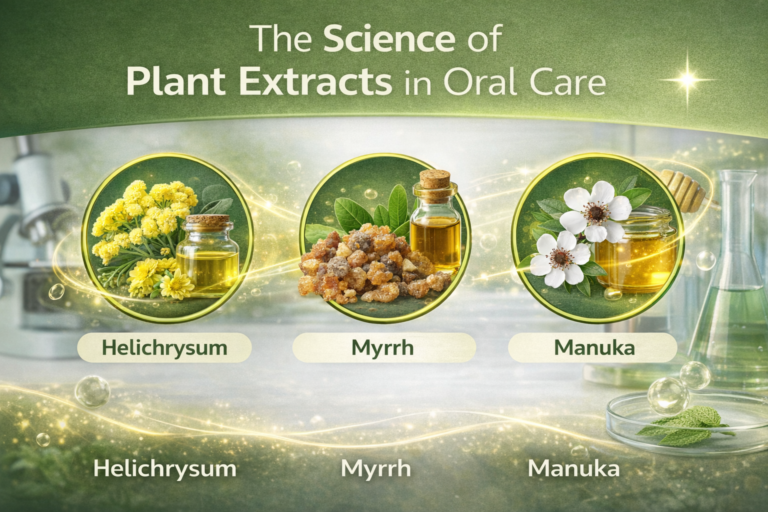
Some people prefer herbal or natural oral care approaches that focus on gum support and fresher breath without relying heavily on strong alcohol formulas.
For example, some readers choose products such as
Dental Pro 7 as part of a broader oral hygiene routine.
Still, no product replaces consistent oral care habits and professional dental attention when needed.
For more practical home-based approaches, this guide on best natural remedies for bad breath may also help.
Stress and Lifestyle Habits Can Contribute Too
People rarely connect stress with bad breath, but the relationship can be surprisingly noticeable.
Stress may contribute to:
- dry mouth
- teeth grinding
- irregular eating habits
- increased coffee intake
- smoking
- reduced oral hygiene consistency
During stressful periods, many people unconsciously drink less water and neglect small daily hygiene routines that normally help control odor.
When Persistent Bad Breath Should Be Evaluated Professionally
Occasional bad breath is extremely common.
But persistent odor lasting weeks or months deserves attention.
Especially if it appears alongside:
- bleeding gums
- loose teeth
- mouth pain
- swelling
- chronic dry mouth
- white tongue coating
- recurring plaque buildup
- metallic taste
In some situations, chronic bad breath may signal gum disease, cavities, oral infections, sinus problems, tonsil stones, or digestive conditions.
A professional dental exam is often the fastest way to identify the actual source.

Final Thoughts
Bad breath rarely comes from a single cause.
Usually, it develops gradually through a combination of bacteria buildup, dry mouth, gum irritation, food habits, smoking, or inconsistent oral hygiene.
That is why quick fixes often fail.
The most effective long-term improvements usually come from small, realistic habits repeated consistently.
A cleaner tongue.
Healthier gums.
Better hydration.
Less plaque buildup.
More attention to early warning signs.
And when necessary, professional dental care.
Fresh breath is often less about masking odor and more about creating a healthier oral environment overall.
Frequently Asked Questions
What is the most common cause of bad breath?
The most common cause is bacteria buildup inside the mouth, especially on the tongue, gums, and between teeth.
Can gum disease cause bad breath?
Yes. Gum inflammation and plaque buildup can produce sulfur compounds that create persistent unpleasant breath.
Why do I still have bad breath after brushing?
Bad breath may still come from the tongue, dry mouth, plaque below the gums, cavities, or other underlying oral health issues.
Does dehydration make bad breath worse?
Yes. Dehydration reduces saliva production, allowing odor-causing bacteria to grow more easily.
Are natural remedies effective for bad breath?
Natural remedies may help support fresher breath when combined with consistent brushing, flossing, tongue cleaning, hydration, and healthy gum care.
About the Author – Bad Breath Treatment Editorial Team
The Bad Breath Treatment Editorial Team researches oral hygiene habits, plaque buildup, gum health, and practical approaches to fresher breath. Our editorial process combines oral health references, preventive dental guidance, hygiene research, and real-world observations commonly discussed by dental professionals.
We aim to create content that feels practical, balanced, and genuinely useful for everyday readers looking to improve oral health naturally and realistically.
Articles are reviewed periodically to reflect updated oral care information and preventive dental recommendations.
Medical Disclaimer
This content is intended for educational and informational purposes only and should not replace professional dental or medical advice.
Persistent bad breath, gum bleeding, pain, swelling, loose teeth, or ongoing oral health concerns should be evaluated by a licensed dentist or healthcare professional.
Results from natural remedies and oral care products may vary depending on individual oral health conditions and consistency of care.
References
American Dental Association, Mayo Clinic – Bad Breath Overview and Cleveland Clinic – Dry Mouth Information
7 Comments