

How to Improve Gum Health
How to Improve Gum Health Naturally (Without Turning It Into a Complicated Routine)
How to Improve Gum Health: A lot of people don’t pay attention to their gums until something starts feeling different.
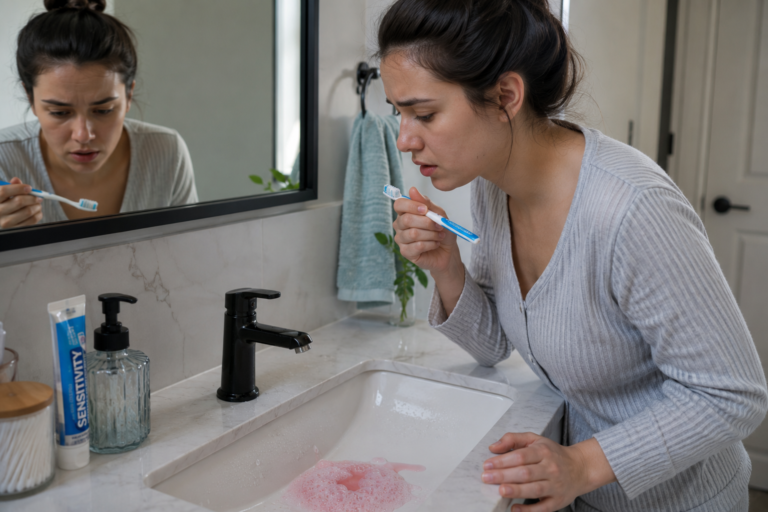
Maybe there’s a little blood in the sink after brushing. Maybe your breath seems less fresh lately, even after using mouthwash. Some people notice their gums feel tender in certain spots but assume it’s temporary.
What makes gum issues tricky is that they usually develop slowly.
Unlike a sudden toothache, gum irritation tends to build quietly over time. Plaque collects near the gumline, brushing becomes inconsistent, flossing gets skipped for a few days — then eventually for weeks — and small signs start appearing.
In many cases, the early stage is still manageable with better daily habits and consistent oral hygiene.
Not perfection. Just consistency.
Why Gum Health Affects More Than Just Your Gums
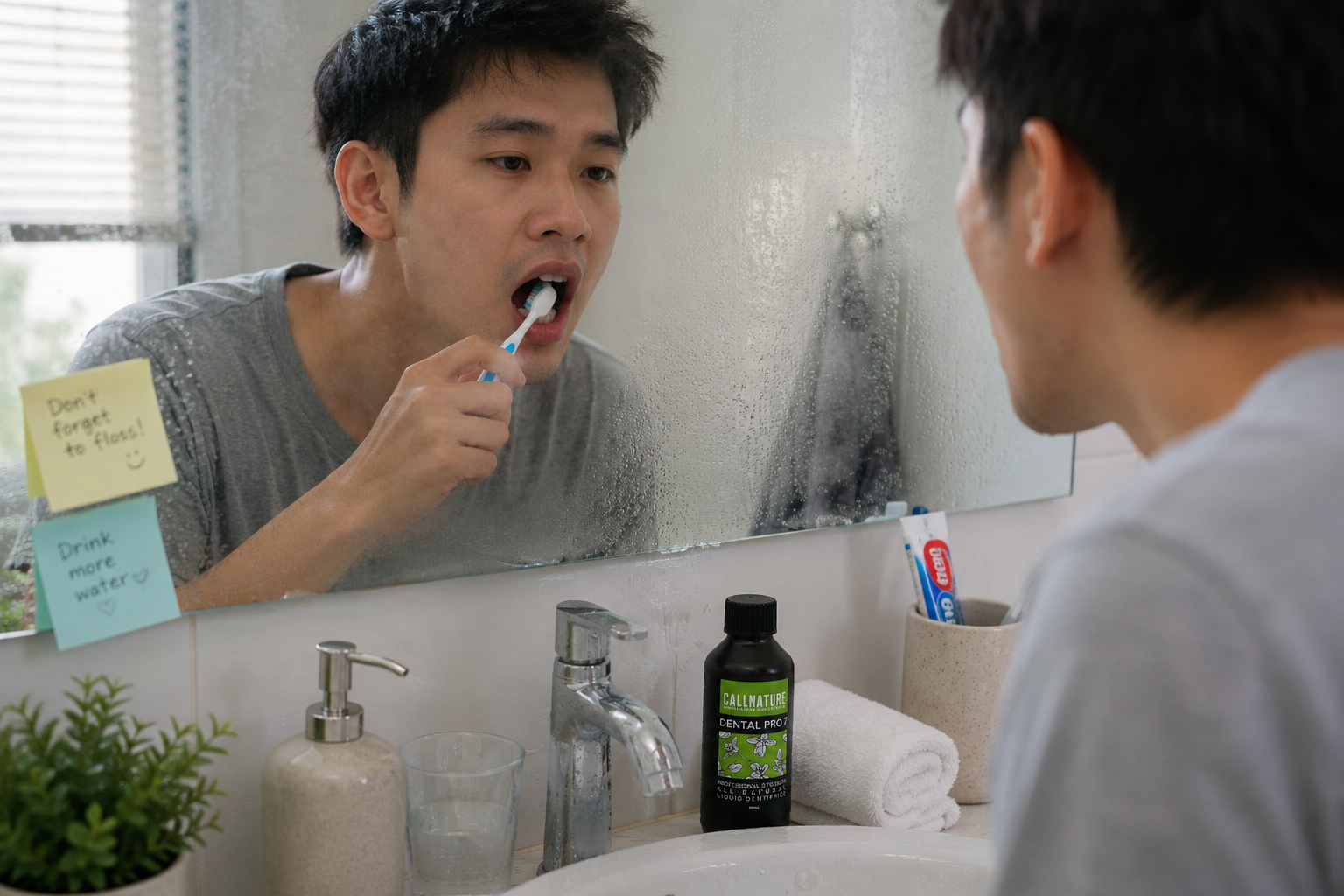
People often think gum care is mainly about preventing bleeding.
But unhealthy gums can also affect breath quality, mouth comfort, tooth sensitivity, and overall oral cleanliness.
One thing dentists commonly see is that people focus heavily on whitening their teeth while overlooking the gumline completely. Teeth may appear relatively clean on the surface, yet plaque and bacteria continue collecting where the gums meet the teeth.
That area matters more than many people realize.
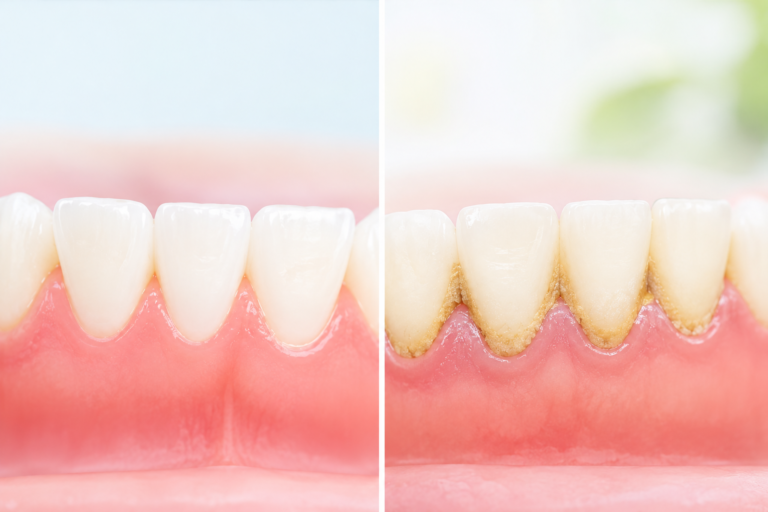
When plaque stays there too long, gums can become inflamed. Over time, plaque may harden into tartar, which is much harder to remove at home.
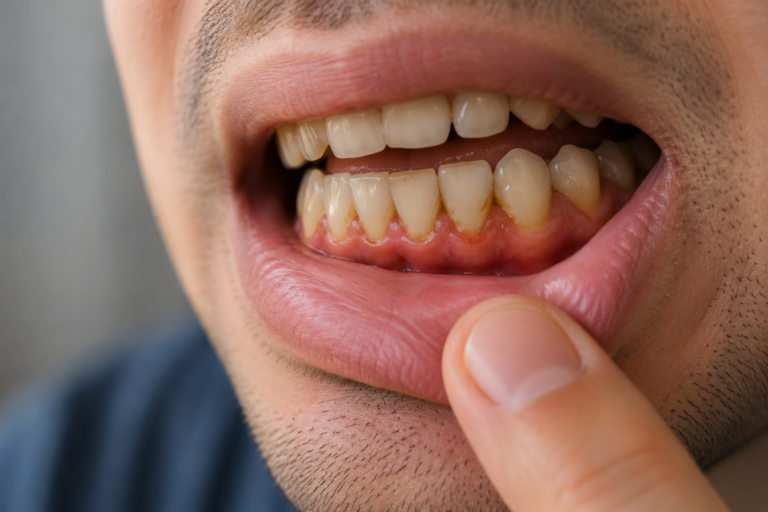
According to the American Dental Association and Mayo Clinic, common signs of early gum problems can include: Bleeding while brushing or flossing, Persistent bad breath, Swollen gums, Gum tenderness, Redness near the gumline, A “dirty mouth” feeling even after brushing
A surprising number of people normalize these symptoms for months before realizing their gums are the underlying issue.
Brush More Carefully — Not More Aggressively
One common mistake is brushing harder when gums feel unhealthy.
People assume stronger brushing equals cleaner teeth. In reality, brushing too aggressively can irritate sensitive gum tissue even more.
Dentists usually recommend gentle, thorough cleaning instead.
Focus on the GumlineThe gumline is where plaque often accumulates first.
A soft-bristled toothbrush is usually enough when used properly. The goal is not to scrub the teeth aggressively, but to clean consistently around the edges where bacteria tend to sit.
A lot of people rush through brushing without realizing they’re missing the same areas every day — especially the back teeth and lower gumline.
Two careful minutes generally works better than five rushed minutes.

Electric Toothbrushes Can Help Some People
Not because they are “magic,” but because they encourage more consistent brushing patterns.
People who tend to brush unevenly or too quickly sometimes notice cleaner-feeling teeth after switching to an electric brush.
Still, technique matters more than the device itself.
Someone using a basic soft toothbrush carefully every day may have healthier gums than someone using an expensive brush inconsistently.
Flossing Usually Feels Annoying at First — That’s Normal
A lot of people avoid flossing because their gums bleed.
Ironically, mild bleeding is often one of the reasons flossing becomes important in the first place.
When plaque sits between teeth for too long, the gum tissue becomes irritated. Gentle flossing may initially expose that inflammation.
This is why dentists often tell patients not to panic if they notice slight bleeding when restarting a flossing routine.
Consistency matters more than intensity.
Interdental Cleaning Removes What Brushing Misses
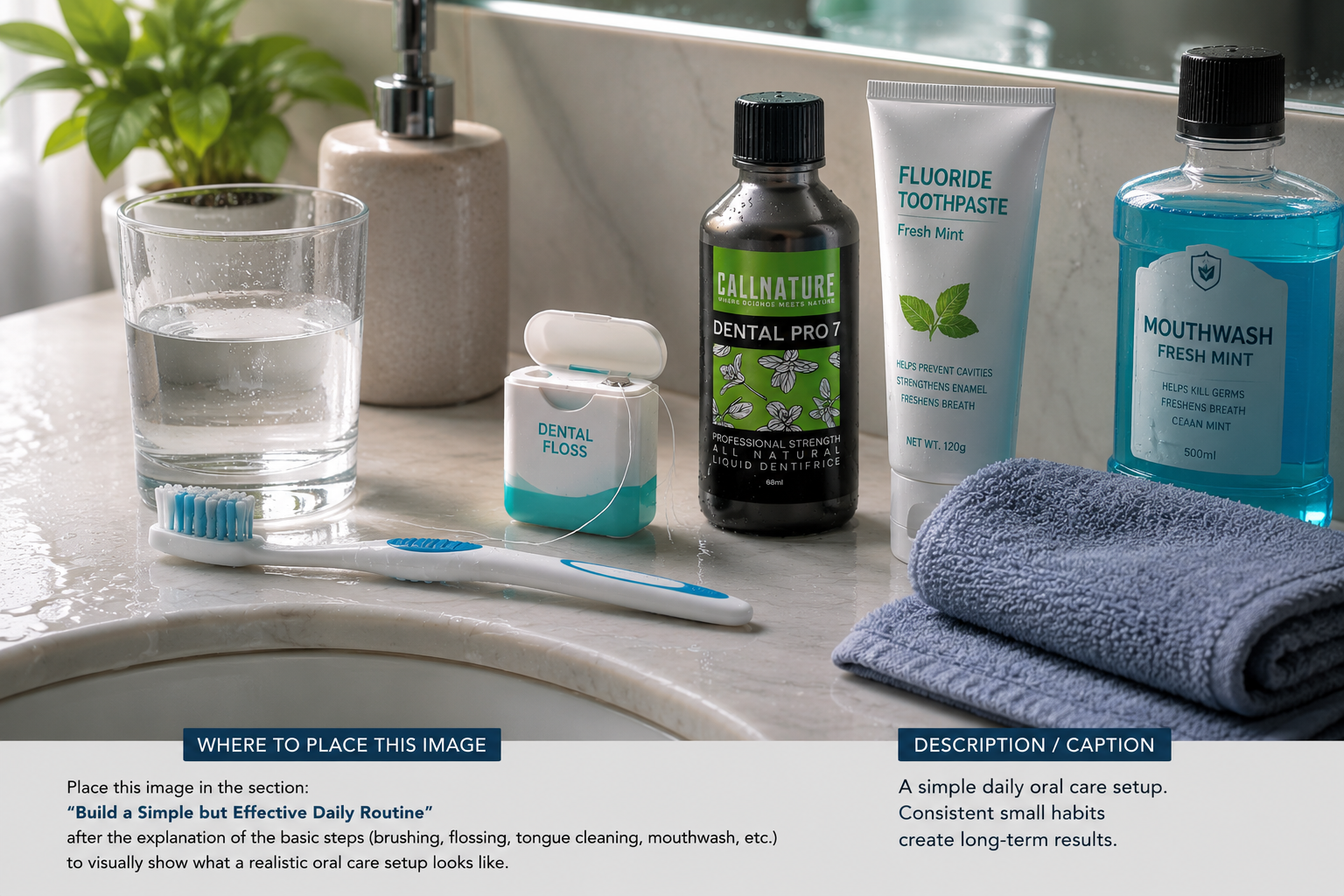
Even thorough brushing cannot fully clean tight spaces between teeth.
Food debris and bacteria trapped there can contribute to: Gum irritation, Bad breath, Plaque buildup, A sour taste in the mouth
People who begin flossing consistently often mention something interesting after a couple of weeks: their mouth simply feels fresher throughout the day.
Not dramatically different overnight. Just noticeably cleaner.
For a realistic daily oral hygiene routine, you can also read:
Daily Gum Care Habits
Plaque Is Softer Than Most People Think
Many people imagine plaque as a thick visible layer.
In reality, fresh plaque is usually soft, sticky, and almost invisible at first. That’s part of why it’s easy to ignore.
The problem starts when it stays on the teeth long enough to harden into tartar.
Once tartar forms near the gumline, brushing alone often isn’t enough anymore.
Signs You May Already Have Tartar Buildup
Some realistic signs include:
- Rough areas near the gums
- Yellowish buildup around lower front teeth
- Bad breath that returns quickly
- Teeth feeling “unclean” shortly after brushing
This process happens gradually, which is why many people don’t notice it developing.
We explained the difference more thoroughly here:
Plaque vs Tartar
Dry Mouth Can Quietly Make Everything Worse
Dry mouth is one of the most overlooked oral health issues.
Some people only notice it indirectly:
- stronger morning breath
- sticky saliva
- dry feeling after coffee
- constantly needing water at night
Saliva plays an important role in controlling bacteria naturally. When the mouth stays dry for long periods, odor-causing bacteria can multiply more easily.
This is especially common in people who: sleep with their mouth open, smoke, drink a lot of caffeine, take certain medications, don’t drink enough water consistently
Small Habits That Often Help
You usually don’t need an extreme routine.
Simple changes can make a noticeable difference:
- drinking water more regularly
- reducing smoking
- limiting sugary drinks
- avoiding excessive alcohol
- improving nighttime breathing habits
A healthier mouth environment often supports healthier gums naturally.
Food Choices Affect Your Gums More Than Most People Expect
People tend to separate diet from oral health.
But gums respond to daily habits the same way the rest of the body does.
Highly processed snacks, sugary drinks, and constant snacking throughout the day give oral bacteria more opportunities to grow.
On the other hand, people who eat more whole foods often describe their mouth feeling cleaner overall — even before brushing.
Foods Commonly Associated With Better Oral Health
Dentists and oral health experts often recommend: crunchy vegetables, high-fiber foods, fresh fruit, plain yogurt, foods rich in vitamin C, enough daily hydration. This doesn’t mean you can never enjoy sweets or coffee again.
The bigger issue is usually frequency and consistency rather than occasional treats.
Tongue Cleaning Helps More Than People Think
Some people brush carefully and floss daily but still struggle with bad breath.
Often, the tongue is part of the reason.
The surface of the tongue can trap bacteria, especially toward the back where brushing rarely reaches properly.
You Don’t Need to Overdo It
A gentle tongue scraper or soft toothbrush is usually enough.
People sometimes scrape too aggressively trying to make the tongue “perfectly clean,” which can irritate the surface unnecessarily.
Usually, gentle daily cleaning works better than aggressive cleaning once a week.
Small routines repeated consistently tend to matter most in oral care.
Be Careful With Products That Promise Instant Results
The oral care industry loves dramatic promises.
“Repair gums overnight.”
“Eliminate bad breath instantly.”
“Deep detox your mouth.”
Real gum improvement rarely works that way.
Most noticeable changes come from reducing plaque buildup consistently over time and improving everyday habits.
That said, some people prefer adding supportive oral care products as part of their routine, especially when dealing with recurring bad breath or gum sensitivity.
If you’re researching additional support options, these pages may help explain the ingredients and intended use more clearly:
The important thing is keeping realistic expectations.
No oral product replaces proper cleaning habits or professional dental care when needed.
Sometimes the Best Sign Is How Your Mouth Feels
People often look for dramatic visual changes.
But healthier gums are usually noticed in smaller ways first:
- less bleeding
- fresher breath in the morning
- smoother-feeling teeth
- less tenderness while brushing
- reduced swelling
- cleaner feeling throughout the day
These changes often happen gradually rather than overnight.
And realistically, most people are not perfectly consistent every single day. Missing one flossing session is not the end of the world.
The bigger difference comes from returning to good habits regularly instead of abandoning them completely.
When It’s Time to See a Dentist
Home care helps, but there are limits to what brushing and flossing can fix.
Professional dental care becomes important if you notice:
- persistent bleeding
- loose teeth
- gum recession
- pain while chewing
- heavy tartar buildup
- chronic bad breath that does not improve
In some cases, what seems like “simple bad breath” is actually connected to gum inflammation or deeper dental problems.
Routine cleanings can also remove hardened tartar that home brushing cannot fully eliminate.
Medical Disclaimer
The information provided in this article is intended for general educational and informational purposes only and should not be considered medical advice, diagnosis, or treatment.
Oral health conditions can vary from person to person. While consistent brushing, flossing, hydration, and healthy daily habits may help support gum health, persistent symptoms such as bleeding gums, swelling, pain, loose teeth, or chronic bad breath should be evaluated by a licensed dentist or qualified healthcare professional.
This website shares oral care information based on publicly available references, general dental hygiene guidance, and educational research sources. The content is not intended to replace professional dental care or personalized medical recommendations.
Any products mentioned on this website are discussed for informational purposes only. Individual results may vary depending on personal oral health conditions, habits, and medical history.
If you believe you may have gum disease or another dental condition, seek professional dental evaluation promptly.
Frequently Asked Questions
Can unhealthy gums cause bad breath?
Yes. Gum inflammation and plaque buildup can trap bacteria around the gumline, which may contribute to persistent bad breath. Many people focus only on the teeth while overlooking the gums and tongue.
Why do my gums bleed when I floss?
Bleeding gums are often a sign of irritation caused by plaque buildup near the gumline. Gentle and consistent flossing may help improve gum health over time. However, persistent bleeding should still be checked by a dentist.
How long does it take to improve gum health?
It depends on the condition of the gums and how consistent your oral care routine is. Some people notice less bleeding and fresher breath within a few weeks of improving brushing and flossing habits.
Can brushing too hard damage gums?
Yes. Aggressive brushing may irritate gum tissue and contribute to gum recession over time. Dentists usually recommend using a soft-bristled toothbrush with gentle pressure.
Is plaque the same as tartar?
No. Plaque is a soft bacterial film that can usually be removed through daily brushing and flossing. Tartar is hardened plaque that often requires professional dental cleaning.
Does dry mouth affect gum health?
Yes. Saliva helps control bacteria naturally inside the mouth. When the mouth stays dry for long periods, bacteria may grow more easily and contribute to bad breath and gum irritation.
When should I see a dentist for gum problems?
You should consider seeing a dentist if you experience persistent bleeding, gum pain, swelling, loose teeth, gum recession, or chronic bad breath that does not improve with home care.
Final Thoughts
Improving gum health usually isn’t about chasing perfect teeth or following complicated routines from social media.
Most of the time, it comes down to reducing the conditions that allow plaque and bacteria to build up repeatedly.
Gentle brushing.
Consistent flossing.
Better hydration.
Less plaque accumulation.
More awareness of the gumline.
Simple habits sound boring compared to miracle solutions, but they tend to be the things that actually help long-term.
Natural External References
- American Dental Association
- Mayo Clinic – Bad Breath Causes and Treatment
- NHS – Bad Breath Advice
- Cleveland Clinic – Gum Disease Overview
About the Author
Bad Breath Treatment Editorial Team
The Bad Breath Treatment Editorial Team publishes educational content about oral hygiene, gum care, plaque buildup, bad breath prevention, and practical daily oral care habits.
The goal of this website is to make oral care information easier to understand through research-based references, realistic routines, and reader-friendly educational content.
Content published on this website is intended for informational purposes only and should not replace professional dental advice or diagnosis.

11 Comments